Add Row
Add Element
cropper
update

 eCommerce Engineering 

update
Add Element
  • Blog Home
  • Categories
    • 4 Core Marketing Strategies
    • Content Marketing
    • SEO (Search Engine Optimization)
    • Paid Advertising (PPC
    • Google Ads...)
    • Social Media Marketing
    • Email Marketing
    • Influencer & Affiliate Marketing
    • Video Marketing
    • Lead Generation & Sales
    • Lead Generation Techniques
    • Funnel Building
    • Conversion Rate Optimization
    • Landing Page Strategies
    • Sales Copywriting & Persuasion (NLP/NEPQ)
    • CRM & Marketing Automation
    • Marketing Automation Tools
    • Analytics & Tracking (Google Analytics
    • Heatmaps)
    • Chatbots & Conversational Marketing
    • WordPress & Landing Page Builders
    • Review & Reputation Management Tools
    • Marketing for Law Firms
    • Home Services Marketing
    • Senior Services Marketing
    • Local Business Marketing
    • Ecommerce & Online Store Marketing
    • B2B vs. B2C Marketing Tactics
    • Digital Marketing Trends
    • Algorithm Updates (Google
    • Meta)
    • Consumer Behavior Insights
    • Case Studies & Success Stories
    • Marketing Myths Debunked
    • Branding & Positioning
    • Building Authority Online
    • Client Retention Strategies
    • Personal Branding for Entrepreneurs
    • Step-by-Step Marketing Guides
    • Tool Reviews & Walkthroughs
    • Campaign Setup Tutorials
    • Email Templates & Swipe Files
    • DIY vs. Done-for-You Services
  • Synergistic Intelligence Marketing
Home Page              (908) 520-0095
  • All Posts
  • 4 Core Marketing Strategies
  • Content Marketing
  • SEO (Search Engine Optimization)
  • Paid Advertising (PPC
  • Google Ads...)
  • Social Media Marketing
  • Email Marketing
  • Influencer & Affiliate Marketing
  • Video Marketing
  • Lead Generation & Sales
  • Lead Generation Techniques
  • Funnel Building
  • Conversion Rate Optimization
  • Landing Page Strategies
  • Sales Copywriting & Persuasion (NLP/NEPQ)
  • CRM & Marketing Automation
  • Marketing Automation Tools
  • Analytics & Tracking (Google Analytics
  • Heatmaps)
  • Chatbots & Conversational Marketing
  • WordPress & Landing Page Builders
  • Review & Reputation Management Tools
  • Marketing for Law Firms
  • Home Services Marketing
  • Senior Services Marketing
  • Local Business Marketing
  • Ecommerce & Online Store Marketing
  • B2B vs. B2C Marketing Tactics
  • Digital Marketing Trends
  • Algorithm Updates (Google
  • Meta)
  • Consumer Behavior Insights
  • Case Studies & Success Stories
  • Marketing Myths Debunked
  • Branding & Positioning
  • Building Authority Online
  • Client Retention Strategies
  • Personal Branding for Entrepreneurs
  • Step-by-Step Marketing Guides
  • Tool Reviews & Walkthroughs
  • Campaign Setup Tutorials
  • Email Templates & Swipe Files
  • DIY vs. Done-for-You Services
  • Synergistic Intelligence Marketing
September 24.2025
21 Minutes Read

Unlock High Converting Online Local Marketing Secrets Now

Did you know that nearly 88% of local businesses say their current marketing tactics don't bring in enough local customers—or the right ones? If you’ve ever wondered why the competition down the street seems packed while your foot traffic barely trickles in, it’s time to discover the untold secrets of high converting online local marketing. What if you could pinpoint exactly what works in your local market, optimize every digital touchpoint with proven marketing tactics, and start seeing real results—fast? This guide empowers you with step-by-step strategies, proven methods, and actionable insights so you finally become top-of-mind (and top-of-search) for eager local customers.
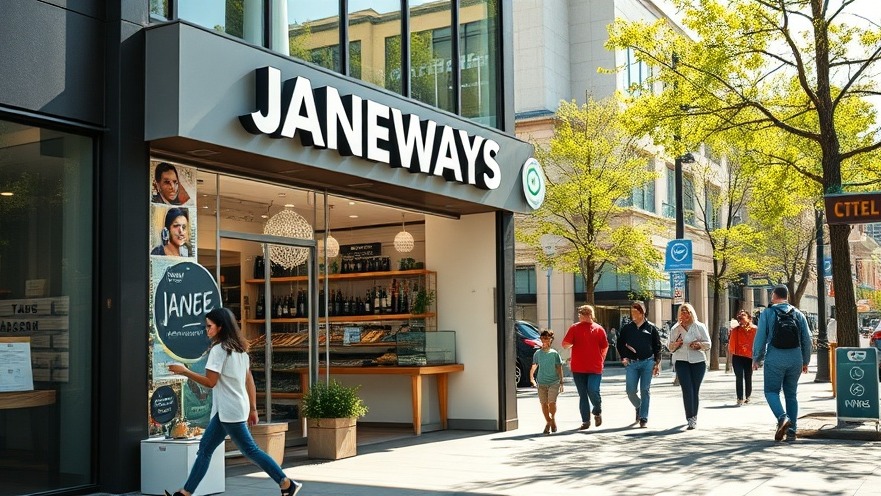

Modern storefront of JANEWAYS bustling with foot traffic, showcasing vibrant local marketing.

Discover What You'll Learn About High Converting Online Local Marketing

  • The critical components of high converting online local marketing for small business success

  • Proven digital marketing strategies specific to local markets

  • How to dominate your local digital market through advanced local SEO and online presence optimization

  • Practical marketing tactics and online marketing techniques to reach local customers

  • Steps to leverage social media, Google Ads, and online reviews for high conversion

  • Actionable insights so you can see yourself achieving impressive results

A Surprising Look at High Converting Online Local Marketing: Why Most Strategies Don't Work

"Did you know that nearly 88% of local businesses report existing marketing tactics underperform in attracting and converting local customers?"

Unconventional Facts and Startling Statistics That Reveal Hidden Local Market Potential

Most local business owners believe standard digital marketing methods guarantee local success, but without targeted local SEO and tailored marketing strategies, results often fall short. However, recent studies reveal a different reality—up to 65% of local marketing budgets are spent on tactics that fail to attract the right local audience. Even with tech advances, many small businesses still struggle to translate online visibility into real-world foot traffic and higher sales. This is often due to cookie-cutter strategies that don’t reflect the real behaviors, preferences, and online searches of your unique local community. Instead, what often drives high conversion is hyper-localized targeting, authentic engagement, and data-driven online presence management—areas overlooked by most competitors. The hidden potential of your local market is unlocked only when you adopt a customized approach to digital marketing, leveraging tools designed specifically for local search, local customer intent, and personalized communication.

Understanding these performance gaps presents a substantial opportunity for local businesses willing to go the extra mile. If you want to transform your local digital marketing from average to exceptional, analyzing the latest statistics and embracing unconventional marketing tactics can uncover swift wins. It starts by evaluating what isn’t working and ruthlessly replacing it with advanced yet practical techniques proven to deliver sustained conversion and revenue growth in your area.


Business owner examining digital analytics dashboard on laptop, digital marketing insights, local online analytics, photorealistic, focused, cozy office, brand elements, blue and green accents, window light, realistic detail, 50mm lens

Why Traditional Local Marketing Falls Short for High Converting Online Local Marketing

Traditional local marketing—think flyers, newspaper ads, radio spots—falls short because it lacks measurable targeting, real-time adaptability, and the benefits of local digital marketing such as local SEO and social media engagement. These tactics broadcast to a broad, often uninterested audience and rarely reach potential customers who are actively searching for your services online. Unlike high converting online local marketing, traditional strategies ignore the power of search engine optimization, local online engagement, and instant digital feedback. The result? Lost revenue, underwhelming ROI, and frustrated business owners stuck in a loop.

High converting online local marketing, on the other hand, empowers you to connect directly with local customers through local SEO, Google Ads, and social media channels who are ready to act. By leveraging digital tools—like local SEO, Google Ads, and social media targeting—you not only reach but persuade local audiences at the exact decision-making moment. The difference is night and day: Digital-first approaches allow you to test, refine, and personalize your message, ensuring every marketing dollar counts. If your local marketing efforts aren’t measured, trackable, and optimized for conversion, it’s time to rethink your strategy for maximum impact.

Understanding High Converting Online Local Marketing for Local Markets

Defining High Converting Online Local Marketing and Its Advantages

High converting online local marketing is a focused approach to digital marketing that combines advanced local SEO, engaging content, targeted advertising, and strategic online interactions designed to attract, engage, and convert local customers. Unlike broadly cast campaigns, high converting local strategies are hyper-tailored to the interests, behaviors, and needs of your local market. The core advantage: This method streamlines your marketing efforts, reducing wasted budget and increasing the percentage of local audience members who actually take action—visit your store, call, submit a form, or leave a glowing online review.

This high-impact, digital-first strategy also empowers small business owners to outshine big box competitors in local search results by leveraging their unique community presence and reputation. With rich Google Business listings, powerful social proof, and mobile-first website optimization, local businesses can rise to the top of search engines and stay top-of-mind for local prospects. The end result is not just more clicks, but more real customers walking through your door.

Essential Components of Locally Focused Digital Marketing

Effective locally focused digital marketing integrates several components such as advanced local SEO, Google Ads, social media marketing, and online reviews to achieve high conversion. These include advanced local SEO—optimizing your website and listings to appear in local search results, strategic use of Google Ads to target nearby customers, and a robust online reputation management program powered by positive reviews. Equally important are data-driven decisions informed by analytics, and authentic content marketing that reflects your neighborhood’s culture and voice. When combined with tailored social media engagement and regular local event promotions, these elements form a conversion engine that consistently drives foot traffic, calls, and leads.

Additionally, choosing the right mix of platforms—from your own website to third-party directories and local online communities—ensures that every digital touchpoint reinforces your brand and attracts your ideal local followers. Seamless integration and frequent measurement are key: what gets measured gets managed, and what’s managed gets improved.


Team collaborating at digital marketing strategy board, discussing high converting online local marketing, photorealistic, modern workspace, vibrant professional colors, granular texture, office lighting, collaboration, 24mm lens

How Local Digital Marketing Outperforms Generic Digital Marketing

Local digital marketing leverages granular customer insights, geo-targeted Google Ads campaigns, and local SEO strategies that generic digital marketing simply cannot match. By focusing your efforts on search intent and behavior within a defined radius, you reduce wasted spend and maximize engagement. Local-specific tactics, such as location-based Google Ads, local SEO schema, and community-centric content, propel your business to the top of search results for people actively looking for your services nearby. Imagine appearing first when potential customers type “best bakery near me” or when they browse Google Maps for a trusted service.

In addition, local digital marketing capitalizes on trust—a currency that drives conversion. When you appear in local directories, are recommended by neighbors, and gather positive reviews that reflect your real-world service, customers feel more confident and are more likely to choose you over less familiar national brands. This trust is amplified through social shares, local influencer partnerships, and word-of-mouth—key levers not effectively reached by generic campaigns.

The Psychology Behind High Converting Online Local Marketing: NLP and NEPQ Insights

Applying NLP Techniques to Local Marketing Copy

To create powerful, action-inspiring marketing, the best local businesses use language that resonates at a psychological level. This is where Neuro-Linguistic Programming (NLP) comes in—by employing subtle cues, positive framing, and deeply relatable stories, your copy not only informs but motivates. Whether it’s website text, Google Business descriptions, or social media ads, NLP-driven messaging addresses desires and anxieties unique to local customers—like convenience, community trust, and personal recommendations. Phrases that evoke emotion and visualize benefits (“Imagine walking into your neighborhood coffee shop and being greeted by name…”) help set you apart as not just another business, but a beloved part of your local market.

Effective use of NLP in local marketing copy removes barriers to action. Instead of generic calls to “contact us,” use action steps that paint vivid outcomes (“Find your perfect solution just around the corner!”). Merge factual offers with emotional appeal and create a sense of urgency—prompting customers to act while their interest is at its peak. This heightened engagement translates to higher conversions and increased loyalty over time.

Leveraging NEPQ Questions to Reflect the Needs of the Local Business Owner

Neuro-Emotional Persuasion Questions (NEPQ) help you “get inside the head” of your ideal local customer—and even frame your marketing as if you’re reading their mind. By asking questions that uncover pain points and desired outcomes (“What’s the biggest challenge you face with finding trusted services nearby?” or “How would your day improve if you could quickly locate the right expert in minutes?”), your marketing feels tailored, authentic, and genuinely helpful. Small business owners using NEPQ techniques in digital campaigns report higher engagement rates because customers feel seen and heard—crucial for high converting online local marketing.

In practice, NEPQ-powered campaigns might use questions in ads, website content, or social posts to mirror customer thoughts and self-reflective moments. This deliberate structure not only informs, but empowers your audience to envision positive change, nudging them closer to your desired call to action.

Building a Strong Online Presence: The Foundation of Local Online Success

Steps to Optimize Your Local Business for High Converting Online Local Marketing

Building a robust online presence through optimized Google Business profiles, local SEO, and active social media engagement is the first major step toward dominating your local market. Start by claiming and optimizing your Google Business Profile; ensure every detail—address, phone number, business hours, categories, and photos—is accurate and up-to-date. Next, enhance your website with locally-focused keywords, lightning-fast mobile optimization, and clear calls to action. Prioritize positive online reviews and install easy-to-use contact options like clickable phone numbers and instant messaging.

Beyond search engines, get listed in reputable local directories (Yelp, TripAdvisor, Chamber of Commerce sites) and participate actively in local online communities and neighborhood groups. An inviting presence across these digital touchpoints bridges the gap between online discovery and in-person visits. Every element should work harmoniously to drive the customer journey from “search” to “visit” or “purchase” with as little friction as possible.


Local business website with reviews on mobile, customer at trendy cafe patio, daytime.

Crafting an Online Presence Strategy That Resonates with Local Customers

To craft an effective online presence strategy, identify where your target local audience spends most of their time—be it Google Maps, Facebook community groups, or hyper-local apps. Your messaging should reflect local events, news, and culture, making your brand feel familiar and relevant. Humanize your business with staff spotlights, customer testimonials, behind-the-scenes moments, and real-time responses to inquiries or reviews.

Consistency is crucial: Regular updates, fresh content, and quick replies show potential customers that you’re active, approachable, and invested locally. Finally, use geo-targeted ads and content to reach users in specific zip codes, neighborhoods, or even “near me” search results—further increasing relevance and high conversion potential.


Comparison of Online Presence Tools for Local Digital Marketing

Tool/Platform

Function

Strengths

Best For

Google Business Profile

Business Listing

Local SEO, Maps Visibility, Reviews

All local businesses

Facebook Page & Groups

Community Engagement

Local Events, Customer Messaging

Retail, Hospitality, Services

Yelp

Review Aggregator

Trust, Credibility, Local Discovery

Food, Health, Lifestyle

Local Website

Brand Hub

SEO, Conversion, Authority

All businesses

Instagram

Visual Branding

Storytelling, Brand Awareness

Boutiques, Food, Travel

Mastering Local SEO for High Converting Online Local Marketing

Critical Local SEO Elements for Local Digital Market Domination

At the heart of high converting online local marketing sits local SEO. This discipline ensures your business appears in highly visible positions across Google Search, Maps, and related local queries. Core elements include optimizing your website with location-based keywords, schema markup for address and reviews, and rich, hyper-local landing pages. You’ll want consistent NAP (Name, Address, Phone) details everywhere—and a high volume of trusted, positive reviews that boost your relevance with both users and search engines.

Claim and verify your Google Business listing; update your business hours and categories regularly, upload fresh photos, and respond to reviews. Inbound links from local news, blogs, and associations further enhance domain authority, while mobile-optimized design keeps you in Google’s good graces for local ranking. When done well, local SEO brings not only more traffic, but more qualified foot traffic intent on purchasing from a business nearby.


SEO specialist analyzing local search map, local SEO for high converting online local marketing, photorealistic, urban office, advanced clarity, cool and earthy tones, daylight, 85mm lens

Steps to Optimize Google Business Profile for High Conversion

First, claim or create your Google Business Profile and optimize it with local SEO best practices to boost your visibility and attract local customers. Fill out every possible field—contact data, category, business service area, photos, business description with local keywords, and service details. Encourage local customers to leave detailed positive reviews and always reply promptly to every review, good or bad. Add high-quality photos regularly, showcase new promotions, and post updates about local events or offers.

Enable direct messaging, FAQs, and booking tools if your business supports appointments. Accurate tags and up-to-date holiday hours prevent confusion and maintain trust. Utilize Q&A sections to proactively address common questions. Consistent engagement and continuous optimization turn your GBP into a high-conversion digital storefront working around the clock to win new business.

Using Local SEO for Increased Foot Traffic and Online Engagement

Effective local SEO isn’t just about being found online; it’s about driving real-world visits and conversions. By targeting keywords like “near me,” “open now,” or your city/neighborhood, you capture demand in real-time. Incorporate customer stories and showcase positive reviews as “social proof” to tip potential customers toward a visit. Regularly review analytics to identify which keywords and listings drive the most calls, direction requests, and form submissions.

Engage with your community online—share neighborhood news, collaborate on charity events, and participate in local conversations on social platforms. This blend of optimized local search presence and offline community involvement solidifies your status as a local favorite, boosting both your digital profile and your bottom line.

Harnessing the Power of Social Media in High Converting Online Local Marketing

Choosing the Best Social Media Channels for Your Local Market

Not all social media channels will deliver equal results in every local market. The secret is to focus on where your target audience engages most: Facebook (especially local groups) for community connection, Instagram for lifestyle and visual storytelling, and LinkedIn for business-to-business local services. Google My Business and Nextdoor are powerful for localized engagement, while TikTok and YouTube work for high-energy, creative brand building among younger users.

Begin by analyzing your current local audience—what platforms do they use, what content do they like, and when are they most active? Your time should be spent creating tailored posts, stories, and live streams that not only announce sales or offers, but also participate in local trends, events, and conversations. Authentic presence on 1-2 focused platforms often outperforms spreading yourself thin on every single one.


Young marketer planning social media posts in a cozy apartment for high converting digital marketing.

Social Media Tactics That Drive Local Customer Action

  • Live local events and community engagement

  • User generated reviews and authentic interaction

High converting social media campaigns encourage direct action from local customers. Host or broadcast community events, encourage followers to share stories or photos featuring your products, and launch time-sensitive offers exclusive to your local market. Use Instagram or Facebook Stories for quick polls: “What new product should we stock next?”—inviting investment and excitement from your local audience.

User-generated content is another social proof powerhouse. Celebrate customers in your posts, share their reviews and testimonials (with permission), and run spotlight series of local partnerships or charitable efforts. Authentic, two-way interaction—not just posting, but responding and commenting—transforms casual browsers into loyal fans and repeat visitors.

Integrating Social Media with Other Digital Marketing Efforts

To maximize returns, integrate your social media with all other local digital marketing tactics. Drive followers to join your email list with in-store QR codes or exclusive Facebook group invites. Echo your latest website offers on social and create retargeting ads to reach website visitors who didn’t buy on their first visit. Share Google review requests across your social channels and run collaborative contests with other local businesses to multiply reach and foot traffic.

Consistent messaging, branding, and calls to action across platforms solidify your reputation and keep you top-of-mind—even when customers jump between search engines, websites, and social apps. With full integration, you create an omnipresent digital “net” that catches local customers everywhere they go online.

Using Google Ads and Advanced Marketing Tactics for High Converting Online Local Marketing

Introduction to Google Ads for Local Marketing

Google Ads—especially local search and map placements—give you the power to appear exactly when nearby customers are searching for your goods or services, making them a critical tool in high converting online local marketing. Compared to generalized ad campaigns, local Google Ads use targeting features like radius, demographic, device type, and custom intent to control who sees your promotions.

Whether your goal is to increase calls, drive visits, or grow your appointment bookings, local Google Ads can be set to appear only at certain times, in specific zip codes, and even during weather conditions that impact buyer decisions. The performance is fully measurable and flexible, meaning a well-run campaign delivers fast, trackable ROI and valuable market intelligence with every click.

Best Practices for Setting Up High Converting Google Ads Campaigns

Success with Google Ads starts with hyper-local targeting. Define your service area with precision; use extensions for address, call, and reviews to build local trust. Tailor ad copy with city or neighborhood names, and highlight unique selling points relevant to your area (“Family-Owned in Midtown Since 1998!”). Use sitelink extensions to guide searchers to maps, specials, or FAQs.

Monitor campaign performance constantly—tracking which keywords, times, and devices produce real leads or visits. Test variations in copy and landing pages, prioritize mobile-friendly content, and use negative keywords to avoid wasted spend on irrelevant searches. Integration with your Google Business Profile can enhance click-through and conversion rates, cementing your local authority in the market.

Analyzing and Optimizing Local Digital Marketing Campaigns

Launching a campaign is just the beginning—consistent refinement is key. Use Google Analytics, ad dashboard insights, and call tracking to measure what’s working and identify areas for improvement. Adjust bids toward highest-converting search terms and pause underperforming ads to stretch your budget further.

Don’t forget real-world tracking: Ask new customers how they heard about you and monitor increases in call volume, directions requests, and foot traffic compared to campaign timelines. Optimization is ongoing; with every adjustment, your marketing becomes more cost-effective and more powerfully tuned to your local market’s true needs.

Content Marketing Strategies for High Converting Online Local Marketing

Creating Content That Attracts Local Customers

Content is king—even for local digital marketing—where geo-targeted content marketing and authentic storytelling help attract and convert local customers. Your website, blog posts, and social updates should reflect not just your industry, but your unique locale. Feature stories about local clients, neighborhood projects, collaborations with area businesses, or guides to local amenities (“Top Local Parks for a Family Picnic”). SEO-optimize every post with geo-targeted keywords and include calls to action that align with local events, holidays, or trending neighborhood news.

Use clear, authentic photography of your staff, storefront, and happy customers. Regularly feature product spotlights, “day in the life” features, and how-tos relevant to your audience’s everyday needs. Ask yourself: How does this content solve a local problem, answer a question, or inspire my readers to take action in my local market?


Local content creator photographing products for blog, content marketing for high converting online local marketing, photorealistic, boutique, directional sunlight, rustic contemporary, 50mm lens

Promoting Local Events and Community Initiatives

Reach beyond standard promotions by highlighting your involvement with local charities, school events, and city celebrations. Announce sponsorships, host community meetups, and showcase customer appreciation initiatives. Content marketing becomes especially effective when it tells stories of real people and shared values—making your business feel approachable and deeply rooted in your local community.

Promoting local events builds goodwill, generates ongoing social shares, and boosts direct and referral traffic to both your physical location and online channels. The more intertwined you are with the daily life of your area, the more trusted your business becomes.

"Effective content marketing for local businesses must tell a story, paint possibilities, and move your customer closer to taking action."

Amplifying Results With Online Reviews and Reputation Management

How Online Reviews Affect High Converting Online Local Marketing Outcomes

Online reviews are the new word-of-mouth and carry immense influence over local customers. BrightLocal’s research suggests that over 87% of local consumers read reviews before choosing a service or product and that positive reviews can increase conversion rates by up to 25%. Reviews not only impact customer trust, but are a vital component for local SEO and Google ranking—making them a cornerstone of effective local digital marketing.

Encourage customers to share their experiences immediately after a transaction—via email, text follow-ups, or in-person prompts. The more high-quality reviews you generate, the more visibility and credibility you gain, resulting in a steady stream of new customers curious to discover what their peers already love about your business.


Business owner reading positive online reviews on a laptop, reputation management for high converting online local marketing, photorealistic, sunlit workspace, comfort yellows and greens, 35mm lens

Strategies to Encourage More Positive Local Customer Reviews

Making it easy for customers to leave reviews is crucial. Display review QR codes at your checkout, link to review platforms in your email signatures, and follow up with personalized thank you messages after service or purchase. Incentivize reviews with monthly drawings or special discounts, but always comply with platform policies. Train staff to ask happy customers for feedback while the positive experience is still fresh.

Actively share positive reviews on your social media and website to build social proof and encourage others to contribute. Address every review—especially negative ones—to demonstrate responsiveness and care. Remember, authenticity is key; genuine stories from real customers are more persuasive than staged testimonials.

Managing Negative Feedback & Building Trust with Local Customers

Negative reviews are inevitable, but how you handle them sets you apart. Respond promptly, respectfully, and with an aim to resolve concerns. Own any mistakes, explain corrective steps, and invite dissatisfied customers to contact you privately for resolution. Potential customers pay close attention to your public responses—turn criticism into an opportunity to showcase outstanding service.

Consistently improving based on feedback drives ongoing trust and keeps your online reputation resilient. Over time, your transparency and commitment to delight will tip the balance in your favor, transforming even unhappy customers into loyal advocates.

Personalizing High Converting Online Local Marketing for Each Local Community

Segmenting Local Customer Audiences for Maximum Impact

Segmentation allows you to break down your local audience based on neighborhood, demographics, interests, and purchase history. Use analytics to identify high-value groups (e.g., local parents, university students, retirees), and tailor your messages accordingly. The more you know about your potential customers, the better you can customize offers, events, and communications that match their needs.

Each segment may prefer different channels—one neighborhood may respond to Facebook groups, while another might favor email or Google search. By mapping these insights, your digital marketing becomes more efficient and deeply personal, empowering you to deliver the right message, at the right time, to the right people.
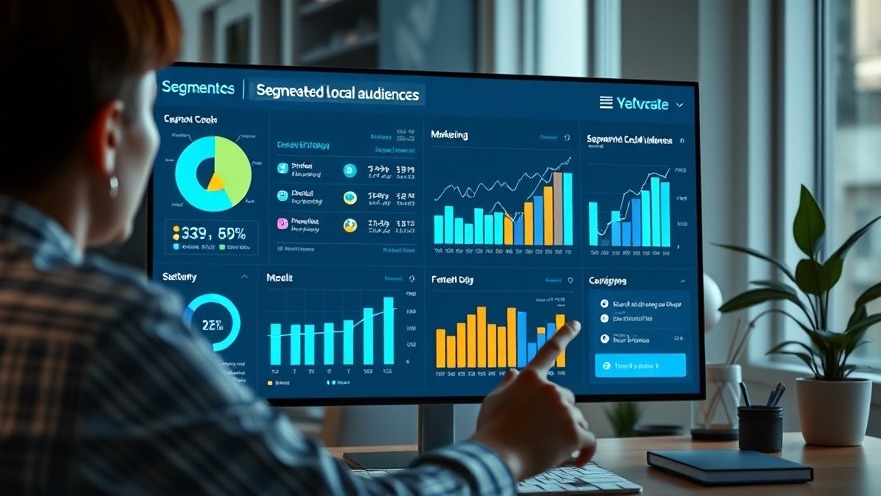

Photorealistic digital marketing dashboard in a high-tech home office with clear graphs.

Tailoring Local Marketing Tactics by Neighborhood and Interest

Personalization extends into product selection, event invitations, and even special offers unique to local festivals or customer interests. For example, offer special deals for student move-in week, host early bird breakfasts for retirees, or sponsor little league teams to engage local families. Collect feedback and poll your audience frequently—people love to feel heard, and their suggestions can inspire innovative campaigns no competitor has tried.

This deep level of customization—in message, offer, and timing—will cement your brand’s status as a true member of the local community, driving exponential results for all your high converting online local marketing efforts.


Examples of Personalized Local Digital Marketing Activities

Audience Segment

Personalized Activity

Platform

University Students

Welcome week discounts & care package contests

Instagram, Snapchat, Email

Local Parents

Family day events & partnership with schools

Facebook, Google Business, Email

Seniors

Early morning promos & health seminars

Local newsletters, Nextdoor

Dog Owners

Pet photo contest, dog-friendly hours

Instagram, Facebook

Tracking Your Success: Analytics for High Converting Online Local Marketing

Essential Metrics Every Small Business Owner Should Monitor

The power of high converting online local marketing lies in measurement. Key metrics to track include website visitors by source (Google Search, social media, direct), click-to-call volumes, Google Business profile interactions, direction requests, and online review growth. Track conversion rates not just for web forms but also for foot traffic—such as in-store visits following digital campaigns.

Other important indicators are bounce rates, average session times, and engagement on social media (comments, shares, direct messages). These stats reveal not only how much attention your business is getting but also how that attention translates into real-world action and sales.

Making Data-Driven Adjustments to Local Marketing Strategy

Regularly reviewing your analytics allows you to spot trends, measure campaign effectiveness, and adapt fast if something isn’t working. Shift more budget to high-performing channels, double down on best-performing ads or content, and experiment with different offers to boost conversion. Whether you use Google Analytics, your website CMS, Facebook Insights, or third-party dashboards, the goal is to turn insights into strategic action.

Never set your marketing on autopilot. The most successful small business owners treat their analytics as a living roadmap—constantly steering, testing, and fine-tuning their campaigns for even greater results.

High Converting Online Local Marketing Success Stories


Happy team celebrating local marketing success in a bright open-plan workspace.
  • Real-World Case Studies in Local Market and Small Business Growth:

    • A café in Lincoln boosted Google Business review count by 370% in 6 months, doubling weekend foot traffic through incentivized QR code requests and targeted Instagram contests.

    • A neighborhood HVAC service replaced mailers with local Google Ads and saw 3x more high-value appointment bookings (with 40% lower cost-per-lead).

    • A fitness studio partnered with local schools for online fundraisers, using Facebook Live and email—growing both memberships and their positive digital reputation in the process.

  • Key Lessons from High Performing Local Digital Campaigns:

    • Integrated channels drive better results—combining SEO, social, ads, and reviews amplifies every effort.

    • Personalized, timely campaigns boost engagement and conversion rates significantly over generic promotions.

    • Continuous measurement and feedback mean swift problem-solving and bigger wins from every campaign tweak.

Expert FAQs on High Converting Online Local Marketing

What makes high converting online local marketing different from traditional local marketing?

High converting online local marketing goes beyond one-size-fits-all approaches. It uses tailored digital tactics—such as search engine optimization, targeted social media, and real-time analytics—to connect with local customers where and when they are most likely to buy. Traditional methods mostly involve print or broadcast media, which lack personalization, detailed tracking, and the quick adaptability crucial for success in the digital age.

How can small businesses improve their digital marketing for better local results?

Small businesses should claim and optimize their Google Business Profile, gather and respond to online reviews, and ensure their website loads quickly and is mobile-friendly. Create engaging, localized content, participate in community events online and offline, and track all metrics. A consistent blend of SEO, social media, and targeted ads is proven to steadily increase both online and offline conversions.

What are the best marketing tactics for increasing conversion in a local market?

The most effective marketing tactics include local SEO (to appear in “near me” searches), running Google Ads with hyper-local targeting, encouraging user-generated content and reviews, and integrating social media campaigns with exclusive community offers. Frequent follow-up, timely responses to feedback, and personalized communications round out the strategy to boost conversions continually.

How important is local SEO for high converting online local marketing?

Local SEO is foundational—it determines whether your business appears in local search results, Google Maps, and on voice search platforms. Without local SEO, your business risks being invisible to potential customers. Well-optimized local SEO increases both online and foot traffic, helping you capture high-intent searches and drive more conversions every day.

Can high converting online local marketing work for any local business?

Absolutely! Whether you operate a retail shop, restaurant, gym, service firm, or nonprofit, any local business can benefit from tailored online local marketing. The key is customizing your approach to fit your unique audience and adjusting continuously based on performance data and customer feedback.

People Also Ask: Top Questions About High Converting Online Local Marketing

What is high converting online local marketing?

High converting online local marketing refers to the digital strategies and tactics that most effectively attract, engage, and convert local customers—using tools like local SEO, Google Ads, reviews, and targeted content to turn online interest into real-world sales or services.

How do I know if my local marketing is effective?

You’ll know by tracking key metrics: website traffic, engagement rates, review growth, direction requests, calls, and in-store visits. Effective campaigns create measurable increases in both online and offline conversions and improve your business’s reputation in your community.

What are the most effective local digital marketing strategies for small businesses?

The best strategies are optimized Google Business listings, local SEO, community-driven social media, positive review management, and dynamic content tied to local events or news. Combining these channels delivers powerful, sustainable growth for small businesses.

How can local businesses use social media for high conversion rates?

By hosting local events, sharing authentic customer stories, responding to comments, and offering exclusive local deals. Prioritize platforms popular in your area and post content that directly reflects neighborhood culture and interests.

Do Google Ads work for local digital marketing?

Yes—when targeted to your local market, Google Ads place you in front of highly motivated customers the moment they search for businesses like yours. With precise settings and continuous optimization, they deliver some of the highest conversion rates for local digital marketing.

Key Takeaways for Achieving High Converting Online Local Marketing Results

  • Own Your Online Presence: Claim and optimize your Google listing, website, and reviews.

  • Focus on Local SEO: Capture intent-rich local searches and map-based discovery.

  • Integrate Multiple Channels: Combine social, ads, content, and reviews for amplified results.

  • Personalize All Communication: Customize messaging for your specific neighborhoods and audiences.

  • Measure, Analyze, Adjust: Data-driven marketing means continuous improvement and growing ROI.

Ready to Unlock High Converting Online Local Marketing?

"Picture your business at the top of the local search results and the front of your customers' minds. It starts with one step."

To get started or improve your existing campaigns call us at 908 520-0095

Take the leap—transform your local digital marketing, explode your foot traffic, and become your community’s go-to business now.


Local Business Marketing

85 Views

0 Comments

Write A Comment

*
*
Related Posts All Posts
02.21.2026

Unlock the Power of Optimizing Content for ChatGPT Search Citations

Did you know nearly 55% of all AI-driven search responses now include citations directly from top-optimized sites—and those sites see an average traffic surge of over 30%? The landscape of search engine optimization (SEO) is rapidly shifting, with generative AI models like ChatGPT leading the change in how information is discovered and cited. Today, getting your content cited in ChatGPT search answers is emerging as the new gold standard for digital visibility and authority. Let’s unlock how optimizing content for ChatGPT search citations can catapult your reach, credibility, and influence in the rising era of AI-powered discovery. The digital search ecosystem is being redefined by the power of AI models like ChatGPT and Google AI. As generative engines deliver direct answers, content optimization isn’t just for traditional SEO anymore. Modern content strategists must now craft pages for AI overviews, citation patterns, and ever-evolving response engines. The future hinges on how well your content aligns with new AI systems and how frequently it’s surfaced as a trusted citation in ChatGPT responses. Understanding this dynamic means embracing a fresh set of strategies for sustainable search and brand visibility. As you refine your approach to citation optimization, it’s also valuable to consider how your overall branding and positioning can influence your authority in AI-driven search. For actionable insights on aligning your brand with evolving digital trends, explore this guide on branding and positioning strategies for digital marketing. An Eye-Opening Look: The Rise of Optimizing Content for ChatGPT Search Citations The transition from blue links to direct AI answers has been nothing short of revolutionary. According to recent industry analyses, brands appearing in ChatGPT search citations enjoy as much as 40% more high-intent user traffic compared to those focused solely on traditional SEO. This eye-opening trend is driven not only by the popularity of answer engines but by the critical role that citation patterns play in determining which sources AI models reference and trust most. By intentionally optimizing content for ChatGPT search citations, you position your site as the go-to authority, commanding greater AI visibility and higher search engine rankings. Whether you target Google AI overviews or aim to become a regular source for generative engine responses, adopting optimization tactics is no longer optional if maximizing digital exposure is your goal. Optimizing content for ChatGPT search citations isn’t just the latest trend; it’s redefining the playbook for SEO and digital marketing as we know it. Generative engine optimization—tailoring web content for AI mode, AI overview, and direct answer functionalities in ChatGPT—has become indispensable. As Google AI and ChatGPT rapidly shape user pathways, content creators must emphasize FAQ schema, clear citation patterns, and strong authority signals to sustain and elevate their presence in AI-driven discovery. The surge in AI-powering search necessitates a shift from broad visibility strategies to highly-targeted citation optimization. The time to adapt is now, as businesses that quickly align their content with these demands are seeing real results in user engagement, se ranking, and brand visibility. What You'll Learn in This Guide to Optimizing Content for ChatGPT Search Citations Key strategies to optimize content for ChatGPT search citations The importance of citation patterns and generative engine optimization How Google AI, ChatGPT, and AI overviews impact citation visibility Best practices for boosting brand and content visibility in AI-focused environments Understanding the Landscape: Why Optimizing Content for ChatGPT Search Citations Matters At the heart of today’s SEO and AI landscape, optimizing content for ChatGPT search citations determines who gets seen and trusted in the crowded world of digital answers. When ChatGPT and similar AI models scan the web, they favor sources with robust citation patterns, clearly structured FAQ schema, and authoritativeness that aligns with Google AI standards. This means that optimizing for ChatGPT citations is no longer an advanced tactic but a foundational requirement for digital success. Brands that invest in generative engine optimization can dramatically boost their AI visibility, positioning themselves where it matters most—in front of both machines and users actively searching for credible insights. The interplay between google ai, ai overview, and other generative engines now directly shapes how content is discovered, ranked, and cited. As engines like ChatGPT and Google AI overviews sift through massive information networks, their citation patterns increasingly reflect which sources exhibit accuracy, depth, and clarity. Leveraging proper answer engine optimization, strong TRUST SCORE signals, and AI system compatibility now drives more than just traffic—it enhances perceived authority and long-term discoverability. SEO professionals and digital marketers must adapt, ensuring their content speaks to both human curiosity and the data-driven preferences of AI models. “Content optimized for ChatGPT search citations can exponentially increase both reach and credibility.” Exploring the Role of ChatGPT Citation and ChatGPT Citations in Modern Engine Optimization So what exactly are ChatGPT citation and ChatGPT citations? In the context of generative engine optimization, they refer to the way ChatGPT and similar AI models attribute and reference sources when delivering answers. Every time your page is cited, your authority, se ranking, and ai visibility grow—especially if your content consistently follows optimized citation patterns. These citations act as the new “blue links,” delivering direct pathways for users to access your information without extra search steps or ambiguity. In practice, optimizing content for chatgpt search citations requires a holistic approach: authoritative content, integrated FAQ schema, and data structures that facilitate clear, machine-readable referencing. Effective chatgpt citation practices are tightly linked to overall citation pattern consistency across your site. By cultivating a robust link profile and ensuring frequent, accurate referencing—especially to well-structured lists, tables, and authoritative sections—you signal trustworthiness to both traditional search and AI engines. Smart use of answer engine tactics like FAQ schema and schema markup improves both the likelihood and quality of citations, further boosting se ranking and brand visibility. In today’s digital landscape, actively optimizing for chatgpt citations is one of the fastest ways to achieve prominence in answer engines and AI-powered search ecosystems. How Google AI and AI Overviews Affect Optimizing Content for ChatGPT Search Citations Google AI and AI overviews have cemented their place in the evolution of citation optimization. These systems integrate advanced algorithms to identify the most reliable, well-structured content sources for inclusion in their AI-driven overviews and summaries. For content creators aiming to maximize citation opportunities, understanding Google AI integration is vital. Structured data, consistent citation patterns, and updated FAQ schema all increase the odds of your content being surfaced as a reference in ChatGPT and Google AI overviews. Implementing these strategies doesn’t just benefit AI-driven citation—it enhances your overall technical performance and se ranking in traditional search as well. Consider two digital articles: one meticulously optimized with proper schema markup, updated FAQ, and consistent referencing, and another lacking these essential elements. The former will not only appear more often in ChatGPT citations but will also be favored in AI overviews, leading to significantly more traffic and stronger, sustained brand recognition. As AI models prioritize direct answers, quality content that aligns with Google AI overviews gets amplified. Ultimately, the difference between optimized and non-optimized content isn’t just about visibility—it’s about staking a lasting claim at the forefront of AI-driven discovery. Deep Dive: Citation Patterns and the Power of Generative Engine Optimization How citation patterns affect ChatGPT visibility and SE ranking: Well-established citation patterns tell AI engines that your content is repeatable, trustworthy, and worth referencing. When your articles are cited across multiple queries, your chatgpt visibility and se ranking naturally rise—especially when paired with consistent FAQ schema and structured data. The relationship between generative engine optimization and AI answer accuracy: Generative engine optimization focuses on making sure that AI models not only find your content but also index it accurately for direct answers. When your tables, key facts, and Q&A sections are machine-friendly, AI answer systems are more likely to cite you as a primary source—improving both user trust and AI answer quality. Tips for structuring content to support strong citation patterns: Use consistent markup, integrate FAQ schema, and present complex information as clear lists or tables. Where possible, reinforce expertise with branded references and authoritative external links to enhance both AI and user trust. Step-by-Step: How to Optimize Content for ChatGPT Search Citations Conducting Content Audits with a Focus on Citation Patterns Start your optimization journey by auditing your current content for citation readiness. Use advanced engine optimization and se ranking tools to identify which pages already attract ChatGPT citations and where gaps exist. Examine citation patterns—the frequency and quality of references, FAQ schema presence, and structured data implementation. Make targeted improvements to content elements that influence AI visibility, such as adding updated Q&A, strengthening internal and external references, and aligning your site with evolving AI models. By continuously monitoring your link profiles and technical performance, you maintain an agile, future-focused content strategy that keeps pace with both traditional and AI-powered search landscapes. Aligning Content with ChatGPT Citations and FAQ Schema Best Practices To maximize your chances of being cited in ChatGPT responses, prioritize alignment with current FAQ schema best practices. Structured FAQ blocks not only facilitate direct answers but also help ChatGPT and Google AI overviews understand and reference your content accurately. Incorporate machine-readable schemas, leverage clear headings, and ensure all facts are easily extractable by AI systems. Furthermore, maintain uniform citation patterns across your web assets—avoid duplicate or contradictory information, and consistently link out to authoritative, trustworthy sources. This strengthens your brand visibility and signals to answer engines that your site is a reliable hub for high-quality, AI-friendly answers. Writing with Google AI and AI Overview in Mind When crafting new web pages or updating articles, tailor your writing for both Google AI and emerging AI overview systems. Use natural language, succinct explanations, and bullet points or lists where appropriate. AI models are more likely to cite content that is clearly organized, up-to-date, and easy to parse. Additionally, stay current on Google AI overviews and answer engine requirements, such as updated structured data formats and entity recognition standards. Strategically targeting these features ensures your content is both easily processable by AI models and favored in citation-driven answer environments. Ultimately, writing with the dual lens of user clarity and AI comprehension is the hallmark of modern citation optimization. Implementing Structured Data: FAQ Schema, Tables, and Enhanced Organization One of the most potent tools for generative engine optimization is the strategic use of structured data, especially FAQ schema and tables. Incorporate clear, up-to-date FAQ sections that directly mirror user intent and common ChatGPT queries. Enhance your articles with tables and lists that summarize key data points, making them ideal for direct citation by AI systems. The more precisely your content is structured, the greater your AI visibility and likelihood of being referenced in answer engines. Consider the following elements as especially likely to win ChatGPT citations: FAQ schema-marked Q&A blocks Structured, interactive tables with key data Well-organized bullet or numbered lists Rich media (images and infographics) with descriptive alt text Tables: Optimizing Content for ChatGPT Search Citations Factor Impact on ChatGPT Citation Best Practice FAQ Schema High Use clear markup Citation Patterns Critical Consistent referencing Google AI Integration Medium Follow structured data guidelines List & Table Use Medium-High Present key facts visually Key Elements of Content that Boost ChatGPT Visibility and Optimize Content Consistent citation patterns Strategic use of AI mode/AI answer targeting Proper FAQ schema integration Comprehensive, up-to-date information Best Practices List: Optimizing Content for ChatGPT Search Citations Research and track evolving ChatGPT citation and generative engine patterns Utilize answer engine structures and FAQ schema for greater AI answer quality Integrate branded, authoritative references to improve SE ranking Continuously monitor ChatGPT visibility and adjust strategies accordingly Expert Insights: The Future of ChatGPT Citations, Google AI, and AI Overviews “Generative engine optimization will be pivotal for brands aiming to lead in AI-driven search.” According to digital thought leaders, the priorities around optimizing content for ChatGPT search citations will only intensify as AI models advance. The ongoing rise of AI overview and Google AI overviews means content must be both algorithmically friendly and highly authoritative. Brands that quickly adapt to the nuanced requirements of generative engine optimization—integrating enhanced FAQ schema, embracing data-driven citation patterns, and proactively measuring AI visibility—will dominate new search paradigms. In the future, what sets market leaders apart won’t just be their blue links, but their consistent, prominent inclusion in real-time, AI-driven search responses. An embedded video explores the before-and-after results of a website strategically improved for ChatGPT citation and generative engine optimization. See how key enhancements in citation patterns, FAQ schema, and structured data drove measurable gains in traffic, engagement, and AI visibility. Watch a leading SEO panel discuss best practices for citation patterns, se ranking, AI answer quality, and brand visibility in AI-first search environments. Overcoming Challenges: Common Pitfalls in Optimizing Content for ChatGPT Search Citations Incomplete FAQ schema or missing structured data Inconsistent or weak citation patterns Lack of focus on generative engine requirements To overcome these challenges, always verify FAQ schema implementation, maintain up-to-date citation and data structures, and ensure ongoing alignment with ChatGPT citation standards. Routinely audit your content for missing elements and continually educate your team on evolving AI visibility requirements. Addressing these issues early maximizes your chances for ChatGPT citation and AI-driven traffic growth. Measuring Success: Tracking and Evaluating Optimizing Content for ChatGPT Search Citations Key metrics: AI visibility, ChatGPT visibility, answer engine, SE ranking Recommended tools for tracking and evaluation Benchmarks for citation patterns and AI overview inclusion Case examples or short success story People Also Ask: Optimizing Content for ChatGPT Search Citations What is the most effective way to optimize content for ChatGPT search citations? The best approach is to align your pages with ChatGPT citation requirements by implementing strong citation patterns, building out thorough FAQ schema, and using structured data that meets Google AI guidelines. A focus on clear organization, up-to-date information, and authoritative references significantly increases your chances of being cited by AI engines. How do AI overviews influence ChatGPT citation patterns? AI overviews play a major role in determining which sources ChatGPT cites. They prioritize content that is structured, authoritative, and marked up with comprehensive FAQ schema. By ensuring your content is easily digestible by AI systems, you improve both citation frequency and the perceived quality of your answers. How often should I update content to maintain ChatGPT visibility? To maintain optimal ChatGPT visibility, refresh your content at least quarterly. Regularly updating FAQ schema, refining structured data, and reflecting new industry trends ensure your articles stay relevant to AI models and retain high citation rates. FAQs About Optimizing Content for ChatGPT Search Citations How can I ensure my content is visible for ChatGPT and AI overviews? Focus on consistent citation patterns, implement detailed FAQ schema, and structure data according to Google AI standards. Monitor visibility with AI-specific tracking tools. What are the top mistakes to avoid when aiming for generative engine optimization? Failing to use structured data, ignoring evolving AI requirements, and neglecting citation consistency are common pitfalls. Prioritize ongoing audits and adaptation to new best practices. Do citation patterns differ by industry or content type? Yes, technical industries may require more granular FAQ schema and precise references, while consumer-focused content might emphasize clarity and breadth. Always research your niche for optimal results. Key Takeaways for Optimizing Content for ChatGPT Search Citations Optimizing content for ChatGPT search citations is essential for AI-driven discoverability Strong citation patterns and FAQ schema bolster AI visibility Continuous adaptation to generative engine optimization trends is vital If you’re ready to take your digital strategy even further, consider how a holistic approach to branding and positioning can amplify the impact of your AI-driven content efforts. By integrating advanced optimization techniques with a strong brand foundation, you’ll not only improve your chances of being cited by ChatGPT but also build lasting authority in your market. Discover how to elevate your brand’s presence and adapt to the evolving digital landscape by reading about branding and positioning for digital marketing success. This next step can unlock new levels of visibility, trust, and growth for your business in the age of AI-powered search. Ready to Maximize Your Visibility? Let us build your success blueprint call 908 520-0095, now!

02.21.2026

How to Rank in Google SGE vs ChatGPT Search: Key Tips

Did you know? By 2025, over 50% of online queries will be powered by AI-driven search engines like Google SGE and ChatGPT Search. As AI transforms the digital landscape, learning how to rank in Google SGE vs ChatGPT Search is now a mission-critical skill for marketers and website owners who want to remain visible and relevant."By 2025, over 50% of online queries will be powered by AI-driven search engines like Google SGE and ChatGPT Search." Unveiling the Future: Why Learning How to Rank in Google SGE vs ChatGPT Search Matters NowThe world of AI search is revolutionizing how content is discovered online. With giants like Google SGE (Search Generative Experience) and ChatGPT Search integrating large language models to answer complex user queries, the traditional rules of search engine optimization (SEO) are shifting. These AI-powered platforms not only aggregate information but also synthesize it into concise, actionable answers, changing the way we think about visibility and authority in search results.Today, businesses and content creators who adapt their strategies to this evolving landscape will seize significant advantages in traffic, engagement, and trust. Ignoring the impact of AI search results means risking lower visibility—even for high-quality, established websites. Understanding how to rank in Google SGE vs ChatGPT Search arms you with the tactics to win in a future where AI answers are prioritized over conventional ranked lists. In this article, you’ll discover trends, tools, and proven techniques for dominating these next-gen search engines.What You'll Learn About How to Rank in Google SGE vs ChatGPT SearchKey differences between Google SGE and ChatGPT search resultsCurrent AI search trends affecting engine optimizationEffective SEO strategies for both search enginesHow structured data and faq sections impact your visibilityProven techniques for outperforming competitors in ai search resultsGoogle SGE and ChatGPT Search: An Introduction to AI Search ResultsUnderstanding Google SGE and Its Influence on Search Engine OptimizationGoogle SGE (Search Generative Experience) represents a massive leap in search engine evolution. Utilizing advanced large language models, it goes beyond returning simple links or snippets—instead, it generates nuanced, contextual answers that reflect a deep AI overview of the topic. This generative approach allows Google SGE to synthesize information from multiple authoritative sources, delivering a definitive answer to user queries in real time. Because SGE emphasizes semantic understanding, websites must focus on relevance, freshness, and the authority signals of their content. Engine optimization for SGE means structuring content so AI models can easily interpret and surface it in their generated answers.The ongoing integration of AI platforms within Google SGE has compelled SEOs to refine their strategies. Techniques such as optimizing for structured data, aligning with user intent, and maintaining up-to-date content for ai are now core ranking factors. Understanding what makes Google SGE select certain pages for its ai search results is the first step toward increased visibility in this new digital frontier.As you refine your approach to AI-driven search, it's also valuable to consider how your brand's positioning and messaging can influence your visibility in these evolving environments. For actionable insights on aligning your digital presence with modern search expectations, explore the strategies outlined in this guide to branding and positioning for digital marketing. Exploring ChatGPT Search: AI Overview for the Modern WebChatGPT Search harnesses the power of OpenAI's language models to directly answer queries with synthesized information, rather than traditional ranked web results. This answer engine focuses on generating clear, conversational responses, making it a preferred choice for users seeking immediate, thorough, and context-aware answers. The AI draws from a vast knowledge base, referencing content, FAQ sections, and structured data to provide solutions that feel natural and human-like.Unlike the more link-oriented approach of classic search engines, ChatGPT Search rewards well-structured, clearly written, and context-rich content for ai. Content creators must therefore emphasize clarity, logical flow, and direct answers to questions. Optimizing for ChatGPT Search means ensuring your website’s information is easily extractable by ai models—often through schema markup, concise FAQ sections, and thorough coverage of topics from multiple user angles.How AI Search Impacts Search Results and Engine OptimizationBoth Google SGE and ChatGPT Search exemplify how ai search results are transforming engine optimization strategies. AI-driven engines prioritize relevance, depth, factual accuracy, and authority signals rather than just keywords or backlink counts. AI loves pages that provide clear answers (think FAQ sections and numbered lists) and content that anticipates related follow-up queries. Structured data, FAQ markup, and timely updates serve as direct signals to AI platforms, making them more likely to source and display your content as the definitive answer engine in their results.The shift from traditional rankings to AI-generated overviews creates an ever-evolving search generative experience. Successful ranking now relies on mastering both technical SEO (like schema and site audits) and editorial excellence (content for ai that deeply matches user intent). Understanding these nuances is essential to achieving prominence in the dual world of SGE and ChatGPT Search.Comparison Table: Google SGE vs ChatGPT Search – Features, Coverage, and Search ResultsFeatureGoogle SGEChatGPT SearchSearch Engine ModelHybrid: Classic index + Generative AI overviewConversational AI, large language models, direct answersPrimary OutputWeb links, context-rich AI answers, knowledge panelsConversational responses, summarized facts, FAQ-style contentRanking FocusUser intent, structured data, freshness, E-E-A-TClear answers, logical flow, FAQ sections, schema markupOptimization EssentialsTechnical SEO, regular audits, structured content, authority signalsFAQ-rich pages, conversational formatting, up-to-date dataCoverageBroad reach; billions of indexed sitesWide knowledge base, real-time conversational summariesKey AI Search Trends Shaping How to Rank in Google SGE vs ChatGPT SearchThe Rise of AI Overview in Search EnginesAI overviews are now at the heart of search engine innovation. Instead of relying on static rankings, ai search platforms like Google SGE use generative models to analyze vast corpora and present synthesized, context-driven results. These dynamic answers combine the best elements of classic search (links, authority) with the conversational, direct answer approach pioneered by large language models. For SEOs, this means optimizing not just for keywords, but for topically rich, fact-checked, and intent-oriented content that AI thrives on.Organizations excelling in this landscape do so by integrating structured data, robust FAQ sections, and comprehensive coverage that aligns with natural user questions. With AI continually learning from patterns in user queries and engagement signals, maintaining a proactive approach—updating, auditing, and expanding your content for ai—is essential for sustained visibility. Voice Search and Conversational Queries in Google SGE & ChatGPTVoice-activated devices and conversational queries are fast becoming the norm in user search behavior, directly impacting how to rank in Google SGE vs ChatGPT Search. Both engines interpret complex, speech-like queries, pulling from entities, relationships, and context rather than mere keyword matches. Voice search influences ranking by rewarding pages that deliver natural language answers, use concise headers, and present information in a Q&A or list format readily interpretable by ai models.Optimizing for voice means auditing your structured data and FAQ sections to ensure search engines can source quick, direct answers. As AI platforms become the primary answer engine for millions, conversational content that mirrors spoken questions or provides succinct solutions will offer a significant edge in both Google SGE and ChatGPT Search results.Traditional SEO vs AI Search Results: Strategies for How to Rank in Google SGE vs ChatGPT SearchOptimizing for Google SGE: Engine Optimization EssentialsGoogle SGE marks a transition from traditional SEO to a hybrid model emphasizing both technical and semantic signals. For optimal engine optimization, start with a detailed technical audit—verify site speed, mobile responsiveness, and minimal crawl errors. Implement robust structured data (such as schema. org markup) to enhance context and enable your content to be surfaced as featured snippets or AI-generated answers. Regularly update your site to keep information current and trustworthy for both users and AI platforms.Additionally, focus on building E-E-A-T (expertise, experience, authority, trust). Google SGE selects results not just for keyword placement, but for comprehensive, well-cited answers that reflect subject-matter expertise. Including FAQ sections, cited sources, and visual elements (tables, infographics) makes it easier for Google’s ai overview to understand and prefer your content. Conduct monthly SEO audits to identify and resolve structural issues before they affect your visibility in ai search results. Optimizing for ChatGPT Search: Structured Data & Conversational ContentRanking in ChatGPT Search begins with maximizing your site’s clarity and logical structure. Utilize schema. org markup extensively, especially for FAQ sections, lists, and product or service details. Structure your content to anticipate the kinds of questions users might ask and deliver precise, conversational answers. AI models prefer content that explains concepts step by step and includes direct answer sections formatted in natural language.Furthermore, optimize for context and topical completeness. Cover subtopics holistically and reference related entities—this allows ChatGPT to build a robust understanding and synthesize comprehensive responses. Finally, regularly audit your site for content freshness, factual accuracy, and clear navigation, ensuring that ai search results always reflect your most up-to-date answers and resources."Structured data has never been more crucial for AI search results—it’s a direct ranking signal in Google SGE."Foundational Ranking Factors for AI Search Results (Google SGE and ChatGPT)Relevant and up-to-date content for ai searchTechnical SEO & monthly engine optimization auditsAuthority, trust signals and E-E-A-TEffective use of structured data and FAQ sectionsChecklist: How to Rank in Google SGE vs ChatGPT Search – Best Practices OverviewBest PracticeGoogle SGEChatGPT SearchUpdate Content Regularly✅✅Use Structured Data/Schema Markup✅✅Develop In-Depth FAQ Sections✅✅Optimize for Voice Search✅✅Demonstrate E-E-A-T✅OptionalAudit Technical SEO Monthly✅✅Add Conversational, Step-by-Step ContentOptional✅Content Optimization for How to Rank in Google SGE vs ChatGPT Search: Practical StepsCrafting Content for AI Search Results and Search EnginesThe core principle for content creation in ai search is to write for both human readers and AI models simultaneously. Begin each page with a strong, clear summary that directly addresses the main query, using natural language and relevant keywords. Expand with thorough explanations, using bullet points and numbered lists to break down complex processes. This approach matches the way Google SGE and ChatGPT Search parse and repurpose web content into their own answers.Support content for ai with concise sections, internal links, and multimedia elements (tables, images). Ensuring your material answers the question “what does the user want to know?” results in increased visibility across both SGE and conversational AI search platforms. This content style also boosts engagement, retention, and the likelihood of being used as a source in ai search results.Utilizing FAQ Sections and Structured Data for Enhanced VisibilityIntegrating faq sections and structured data into your pages directly influences how to rank in Google SGE vs ChatGPT Search. These elements provide clear, machine-readable signals that help ai models identify your site as a valuable source for direct answers. Use schema. org’s FAQ markup to format questions and answers, making it easy for search engines to lift and display your content visually in answer panels and snippets.Incorporate anticipated user queries throughout your content and ensure answers are succinct, reliable, and well-cited. Regularly monitor which questions are driving traffic and update your FAQ sections accordingly, aligning with both trending search intent and changes in ai search results algorithms. Common Obstacles When Competing in AI Search: Navigating Google SGE and ChatGPT Search ResultsOvercoming Challenges in Engine Optimization: Insights and SolutionsRanking in AI-powered search isn’t without hurdles. One key challenge is the rapidly shifting criteria of search engines—what works for Google SGE today may be less effective tomorrow as algorithms are updated to interpret new ranking signals. Many sites struggle to keep their content for ai relevant and technically sound, neglecting crucial elements like up-to-date structured data, comprehensive FAQ sections, and regular SEO audits. Additionally, some content creators find it difficult to naturally integrate voice search optimization and conversational content without sacrificing clarity or authority.The solution is a holistic approach to engine optimization: schedule monthly audits for site health, refresh content often, stay informed on ai search trends, and build trust by demonstrating your expertise. Adapt your approach as needed to maintain alignment with both classic best practices and emerging AI signals. The most successful websites in this new landscape are those that view SEO as a constant, ongoing process, not a one-time effort."SEO is not dead, it’s evolving—and those who adapt to AI search will dominate the future search results." Engaging, concise explainer video showing a split-screen comparison of ranking in Google SGE versus ChatGPT Search, featuring dynamic infographics, interactive checklists, and key ranking signals in motion, styled with clean animations, tech-modern visuals, and a professional narrator’s voiceover to guide the viewer.Watch industry leaders as they analyze the similarities and differences between Google SGE and ChatGPT Search. The panel highlights real-world results, actionable strategies, and the future of AI-driven engine optimization.People Also Ask: How to Rank in Google SGE?Answer: Learn the step-by-step process for ranking content effectively in Google SGE, focusing on AI-driven ranking criteria, content relevance, structured data, and user intent alignment.To rank in Google SGE, begin by optimizing your pages with structured data and well-formatted FAQ sections that AI can interpret easily. Update content regularly to align with user intent and E-E-A-T best practices. Perform monthly audits to ensure your technical SEO meets Google's latest standards. Most importantly, tailor your answers to anticipated user queries, and make your content for ai clear, relevant, and authoritative. This comprehensive approach increases your chance of being selected for both traditional links and AI-generated overviews.People Also Ask: How to Rank in Google AI Search?Answer: Discover which AI search signals matter most, including fresh content, entity relationships, and precise FAQ sections to enhance your Google AI search visibility.To excel in Google AI search, focus on creating frequently updated content for ai that answers user questions directly. Use schema. org markup, highlight entity relationships, and structure your pages to address the full spectrum of related topics. AI models favor clarity, semantic richness, and context—ensure your FAQ sections are updated and logically organized. Consistently monitor emerging search patterns and adapt your strategy to maintain high performance as Google’s AI continues to learn and evolve.People Also Ask: How to Rank Higher in Google Search Results?Answer: Integrate traditional engine optimization best practices with new AI search tactics, such as leveraging E-E-A-T and optimized meta data.To rank higher in Google search results, combine technical SEO (site speed, mobile optimization, schema markup) with comprehensive, trustworthy content for ai. Regularly refresh meta data, demonstrate subject-matter expertise, and focus on building both classic backlinks and structured, conversational answers. This hybrid strategy positions your site for maximum visibility in both the standard web index and the AI-generated answer space.People Also Ask: What are the 3 C's of SEO?Answer: The 3 C's of SEO are Content, Code, and Credibility—apply these to both standard and AI-powered search engines for higher rankings.The classic 3 C's of SEO—Content (quality, relevance, and freshness), Code (technical optimization, structured data), and Credibility (E-E-A-T, authority signals)—remain at the heart of success in both traditional and modern AI search engines. Aligning your strategies with these pillars ensures ongoing visibility and ranking power as search platforms continue to evolve.FAQs: How to Rank in Google SGE vs ChatGPT SearchWhat is the role of AI in modern search engines?AI analyzes, synthesizes, and ranks information with much greater nuance than classic algorithms. It allows search engines to provide more personalized, context-aware, and direct answers to complex queries by leveraging large language models and real-time content analysis.Is optimizing for Google SGE different from ChatGPT Search?Yes, Google SGE prioritizes traditional SEO combined with structured data, while ChatGPT Search rewards clear, conversational content and rich FAQ sections. Tailoring your content and markup for each is essential for best results.How can structured data improve search engine optimization?Structured data helps AI models quickly interpret your content, making it eligible for featured snippets, answer engine panels, and AI-generated responses. It signals context, intent, and authority for both SGE and ChatGPT.Does voice search affect how you rank in ai search results?Absolutely. Voice search is driven by natural, conversational queries. Content optimized for question-based, direct answer formats will perform better across both AI search and traditional engines.How often should content be audited for ai search optimization?At least monthly. Regular audits ensure technical health, factual accuracy, freshness, and the alignment of FAQ sections with user search intent—all of which impact AI-driven ranking signals.Key Takeaways for How to Rank in Google SGE vs ChatGPT SearchAI search is reshaping engine optimization and search engine ranking factorsStructured data and faq sections are critical for enhanced visibilityCombining traditional and AI-based strategies delivers sustainable resultsStaying updated on emerging ai search trends is vitalSummary and Next Steps: How to Rank in Google SGE vs ChatGPT SearchLet us build your success blueprint call 908 520-0095, now!With the rapid rise of AI-driven search engines, succeeding in how to rank in Google SGE vs ChatGPT Search is about evolving your approach, adopting structured data, optimizing for conversational answers, and constantly adapting to change. For hands-on guidance, let our specialists help craft your blueprint for AI search success—call 908 520-0095 today!As you continue to refine your SEO strategies for the AI-powered future, remember that your brand’s digital identity and positioning play a pivotal role in how both users and search engines perceive your authority. If you’re ready to take your optimization efforts to the next level, consider diving deeper into advanced branding and positioning techniques. Discover how a strong, differentiated brand presence can amplify your results across all digital channels by visiting our comprehensive resource on branding and positioning for digital marketing. This next step will empower you to build lasting trust, stand out in competitive markets, and maximize your visibility in both traditional and AI-driven search landscapes.To enhance your understanding of ranking in AI-driven search engines, consider exploring the following resources: “How to Rank in SGE: 9 Strategies Behind Our Team’s Success”: This article provides practical strategies for optimizing content to appear in Google’s Search Generative Experience (SGE), including leveraging structured data and enhancing E-E-A-T signals. (webfx. com) “How to Rank in ChatGPT Responses: 11 Strategies That Work”: This guide offers insights into optimizing content for ChatGPT, emphasizing the importance of authoritative, well-distributed content and real-time browsing capabilities. (digixlmedia. com) These resources provide actionable strategies to improve your visibility in AI-powered search results.

02.21.2026

Unlock the Magic of generative engine optimization Today

Did you know that over 70% of digital marketers are convinced generative engine optimization (GEO) will overtake traditional SEO within the next three years? This startling shift is quickly changing how businesses approach digital visibility. If you want to outpace competitors, now’s the time to embrace generative engine optimization—where AI-driven search engines and advanced language models decide who gets seen and who gets forgotten.A Surprising Glimpse into Generative Engine Optimization: The Key Statistic Revealed“Over 70% of digital marketers believe generative engine optimization will replace conventional SEO strategies within the next three years.” With generative engine optimization gaining rapid momentum, industry insiders are witnessing a paradigm shift. The emergence of generative engines—powered by sophisticated AI—has transformed what it means to win on search engines. More and more, visibility depends not just on old-school keyword targeting, but on how content is interpreted, synthesized, and recommended by AI search engines. For businesses eager to stay relevant, understanding GEO is now essential for securing a prime spot in digital search results.What You’ll Learn About Generative Engine OptimizationHow generative engine optimization is changing how search engines operateThe differences between GEO and traditional SEOEssential GEO ranking factors you can leverageThe power of brand mentions, AI search, and AI overviews for competitive advantageExpert perspectives on the future of engine optimization—and what’s beyondDefining Generative Engine Optimization: Moving Beyond Traditional SEOWhat Is Generative Engine Optimization—and Why Does It Matter? Generative engine optimization is an entirely new approach to getting found online. Unlike traditional SEO, which focuses on keyword placement and backlinks, GEO revolves around how AI engines and large language models interpret web content. Today’s search engines—like Google’s AI-powered experiences or Bing’s AI chat—are shifting toward generating comprehensive, human-like responses rather than simply matching queries to keyword-stuffed results.This means your content needs to be readable and understandable by advanced AI, capable of being pulled into an AI overview or featured as a top recommendation in generative search. GEO prioritizes context, intent signals, and, importantly, brand mentions, making it essential for maintaining AI visibility in an increasingly competitive space. If your goal is to remain on the cutting edge of digital visibility, GEO is the key to unlocking new frontiers of reach—and relevance.As you explore the nuances of generative engine optimization, it's important to recognize how foundational elements like branding and positioning can amplify your efforts. For a deeper dive into aligning your brand strategy with modern digital marketing, consider reviewing branding and positioning best practices that support visibility in both traditional and AI-driven search environments.Traditional SEO vs. Generative Engine Optimization: An Evolving LandscapeComparison: Traditional SEO vs. Generative Engine OptimizationAspectTraditional SEOGenerative Engine Optimization (GEO)Strategy FocusKeywords, backlinks, technical site healthAI understanding, content synthesis, user intent signalsRanking FactorsBacklinks, keyword density, meta dataContextual relevance, brand mentions, AI overviews, engagementTargetingSpecific user queries and search intentInformation summarized and synthesized by generative AIAI OverviewNot accounted for—SEO focuses on ten blue linksDirectly optimized for AI answer summaries, featured context, and brand inclusionThe Rise of Generative Engines and AI Search EnginesHow Generative Engines Work: Under the HoodAt the heart of generative engine optimization is the sophisticated way AI engines process and deliver information. Rather than merely ranking links, generative ai search engines apply advanced language models (like those behind ChatGPT and Google Gemini) to actively read content, interpret its context, and create search results that are more conversational and context-rich.For example, when a user enters a query, these engines draw from millions of data points, summarize the web’s best information, and generate a concise, user-tailored response. The focus shifts from “which page has the keyword?” to “which content is most relevant and authoritative in this context?” This transformation places brands that master GEO at an unrivaled advantage, as they can influence how AI overviews—those summary blurbs shown front-and-center in results—present their voice, value, and expertise.AI Search Engine Overviews: The Engine Optimization Frontier One of the primary changes brought by generative engines is the emergence of AI overviews. These are the summaries and answer blocks generated by AI to provide immediate value for users without requiring a click. Success in GEO isn’t just about ranking; it’s about being featured, cited, and summarized as the most authoritative source.AI visibility—the degree to which your brand is referenced in these overviews—can have a tremendous impact on web traffic and share of voice. For marketers and brands, understanding how generative engines work under the hood means optimizing for both human readers and AI engines simultaneously. Effective engine optimization in this space requires aligning your content not only with user intent but also with the algorithms that decide what gets surfaced in AI overviews and search engine summaries.Ranking Factors for Generative Engine Optimization (GEO)Top GEO Ranking Factors: AI Relevance, Language Models, Brand MentionsUse of generative AI and advanced language models: Today’s most successful web content is tailored to the way large language models interpret text, favoring clear, structured, and relevant material.Content context and intent signals: AI engines value context-rich, concise, and comprehensive answers that match user queries with real-world intent.Brand mentions and authority: Frequent, positive brand mentions in reputable sources help boost your position in AI search engine overviews.AI overviews integration: Optimize for being summarized or quoted in AI answers by using formatting like bullet points and concise insights.Personalization: Search engines of the future reward content that adapts to user context, behavioral patterns, and preferences.To win at generative engine optimization, focus on these core ranking factors. By blending AI-friendly content with authoritative brand signals and consistent formatting, you maximize your chances of being picked up by AI search—whether in direct answers, overviews, or recommendations. GEO requires adjusting to the needs of AI models, but it also means building lasting authority and reach.The Role of AI Visibility and Context in Engine Optimization AI visibility isn’t just a buzzword—it's the new SEO. When generative engines synthesize search results, they look for context, relevance, and signs of authority. If your brand is only rarely mentioned or lacks clear relevance for important user queries, your web presence could be completely overlooked by modern search platforms.Building ai visibility means ensuring your content is easily understood and preferred by both humans and machines. Consistent formatting, clear intent, and prominent brand mentions are critical elements for engine optimization. If you’re serious about digital growth, you must create a brand ecosystem where your expertise and trustworthiness are constantly reinforced across your industry—online and off. The future belongs to those who optimize for both users and the generative ai engines surfacing today’s answers.People Also AskWhat is Generative Engine Optimization?Generative engine optimization (GEO) is a strategy tailored for optimizing content and web presence for AI-driven, generative search engines. Unlike traditional SEO, GEO focuses on how generative AI and language models analyze, synthesize, and present web content in highly contextual, human-like overviews within search engines. Will GEO replace SEO?While generative engine optimization is rapidly rising, it is unlikely to fully replace SEO in the near term. Instead, GEO will evolve alongside traditional SEO as generative search and AI overviews become increasingly prominent in search engine results, requiring marketers to adapt to both paradigms.What is the best Generative Engine Optimization tool?There is no single best tool yet, but leading solutions in generative engine optimization include a blend of AI-driven content analyzers, sophisticated keyword research tools adapted for AI search, and platforms that monitor AI visibility, brand mentions, and language model interpretations across generative engines.How does GEO differ from SEO?Generative engine optimization differs from SEO in that it prioritizes content optimization for AI engines and generative AI systems that synthesize information, rather than simply matching keywords. GEO requires an advanced understanding of how language models, AI overviews, and search intent shape visibility in modern search engines.Strategies and Tactics for Winning at Generative Engine OptimizationOptimizing for AI Overviews and Brand Mentions To compete at the highest level of generative engine optimization, you must proactively shape how AI engines perceive and present your brand. Start with strategic brand mentions: secure coverage in top-tier publications, drive mentions via thought leadership, and ensure your content is cited in authoritative sources. Next, format your content to be “overview-friendly. ” Use bullet points, lists, and concise summaries that AI search engines can quickly interpret and feature in their overviews.Bloated, keyword-stuffed articles are relics of the past. The new currency is clear, well-structured insights that demonstrate authority and relevance at a glance—to both bots and users. When your brand dominates AI overviews, you earn trust and top-of-the-funnel awareness with every search.Crafting Content for Language Models and Generative SearchIdentify generative search queries: Use research tools to spot real queries that users ask AI engines.Optimize content for AI context extraction: Structure information with clear headings, keywords, and contextual cues for language models.Boost brand mentions through authoritative partnerships: Collaborate with reputable sites to amplify brand recognition and authority.Format content for language model digestion: Employ bullet points, lists, and tightly written overviews for easy AI search synthesis.Monitor AI engine visibility regularly: Track how often and where your brand appears in AI search engines and overviews.Expert Opinions: The Future of Generative Engine Optimization“GEO isn’t just the next big thing—it’s the necessary evolution of engine optimization for businesses competing in an AI-centric world.” — Dr. Maya Chen, AI Search ExpertPredictions for Generative Search and AI Overview Integration Industry leaders agree that generative engine optimization will become the new battleground for digital visibility over the next few years. As AI search becomes more widely adopted, the lines between traditional SEO and GEO will blur, making it important for marketers to master both practices. Dr. Maya Chen and other experts predict that AI-generated overviews and brand-driven citations will redefine how search engines rank, summarize, and feature website content.Looking forward, expect significant investments in AI understanding, context analysis, brand partnership strategies, and real-time monitoring tools able to gauge how content is being surfaced in generative search results. The organizations that adapt quickly—investing in both content and AI-driven monitoring—will define winners and losers for years to come.Lists, Bullet Points, and Visuals in Generative Engine ContentImproved AI search and AI visibility: Structured lists help language models extract and present key information in overviews.Enhanced user engagement: Well-formatted bullet points enable users to skim and grasp essential details rapidly.Higher likelihood of being featured in AI overviews and generative search summaries: Search engines prefer structured, easily synthesized content. FAQs: Navigating Generative Engine OptimizationHow do search engines use generative AI for rankings?Search engines employ generative AI and large language models to analyze the entire context of webpages, not just keywords. These models assess authority, content clarity, user intent, and brand mentions to deliver synthesized answers and overviews. The most relevant, trustworthy, and clearly-formatted content is more likely to be featured and prioritized in AI-driven results.What are the risks of ignoring engine optimization for generative engines?If you dismiss generative engine optimization, your brand risks disappearing from the most visible search results as AI search engines increasingly drive user journeys. Outdated content strategies that focus solely on traditional SEO may leave your site invisible in AI overviews and generative search results, reducing your market share and digital influence.Is GEO relevant for small and medium-sized businesses?Absolutely! GEO isn’t just for enterprise brands. Small and medium-sized businesses can gain outsized visibility in AI-driven search engines by optimizing for brand mentions, providing clear and useful information, and using structured content that appeals to both users and language models. Early adoption is an opportunity to compete with larger players on a more level field.Which industries benefit most from generative engine optimization?Industries where thought leadership, authority, or frequent user questions matter—such as technology, healthcare, finance, and e-commerce—stand to gain most from GEO. Any business prioritizing online visibility and reputation management should implement generative engine optimization strategies to maintain a leading edge in the AI search era.Key Takeaways from the Generative Engine Optimization RevolutionGenerative engine optimization is crucial for future digital visibilityAI search, language models, and brand mentions are game-changing ranking factorsBusinesses must rethink content strategy to succeed in generative search environmentsChart Your Course: Unlock the Power of Generative Engine OptimizationLet us build your success blueprint call 908 520-0095, now!Conclusion: To thrive in the AI-centric digital world, prioritize generative engine optimization—adapt faster, aim higher, and secure your space in the future of search.If you’re ready to take your digital strategy to the next level, consider how a holistic approach to branding and positioning can further enhance your generative engine optimization results. By integrating advanced GEO tactics with a strong, differentiated brand presence, you’ll not only improve your AI visibility but also build lasting trust with your audience. Explore the intersection of branding, positioning, and digital marketing by visiting our comprehensive guide on branding and positioning for modern marketers. This next step will empower you to create a unified strategy that stands out in both traditional and AI-powered search landscapes.To deepen your understanding of Generative Engine Optimization (GEO) and its impact on digital marketing, consider exploring the following resources: “Generative Engine Optimization”: This Wikipedia article provides a comprehensive overview of GEO, detailing its history, principles, and the shift from traditional SEO to AI-driven search optimization. (en. wikipedia. org) “Generative Engine Optimization (GEO) Explained Like You’re 5”: This YouTube video offers a simplified explanation of GEO, illustrating how it differs from traditional SEO and its significance in the evolving digital landscape. (youtube. com) These resources will equip you with a solid foundation in GEO, enabling you to adapt your digital strategies to the AI-centric search environment effectively.

Terms of Service

Privacy Policy

Core Modal Title

Sorry, no results found

You Might Find These Articles Interesting

T
Please Check Your Email
We Will Be Following Up Shortly
*
*
*