Add Row
Add Element
cropper
update

 eCommerce Engineering 

update
Add Element
  • Blog Home
  • Categories
    • 4 Core Marketing Strategies
    • Content Marketing
    • SEO (Search Engine Optimization)
    • Paid Advertising (PPC
    • Google Ads...)
    • Social Media Marketing
    • Email Marketing
    • Influencer & Affiliate Marketing
    • Video Marketing
    • Lead Generation & Sales
    • Lead Generation Techniques
    • Funnel Building
    • Conversion Rate Optimization
    • Landing Page Strategies
    • Sales Copywriting & Persuasion (NLP/NEPQ)
    • CRM & Marketing Automation
    • Marketing Automation Tools
    • Analytics & Tracking (Google Analytics
    • Heatmaps)
    • Chatbots & Conversational Marketing
    • WordPress & Landing Page Builders
    • Review & Reputation Management Tools
    • Marketing for Law Firms
    • Home Services Marketing
    • Senior Services Marketing
    • Local Business Marketing
    • Ecommerce & Online Store Marketing
    • B2B vs. B2C Marketing Tactics
    • Digital Marketing Trends
    • Algorithm Updates (Google
    • Meta)
    • Consumer Behavior Insights
    • Case Studies & Success Stories
    • Marketing Myths Debunked
    • Branding & Positioning
    • Building Authority Online
    • Client Retention Strategies
    • Personal Branding for Entrepreneurs
    • Step-by-Step Marketing Guides
    • Tool Reviews & Walkthroughs
    • Campaign Setup Tutorials
    • Email Templates & Swipe Files
    • DIY vs. Done-for-You Services
  • Synergistic Intelligence Marketing
Home Page              (908) 520-0095
  • All Posts
  • 4 Core Marketing Strategies
  • Content Marketing
  • SEO (Search Engine Optimization)
  • Paid Advertising (PPC
  • Google Ads...)
  • Social Media Marketing
  • Email Marketing
  • Influencer & Affiliate Marketing
  • Video Marketing
  • Lead Generation & Sales
  • Lead Generation Techniques
  • Funnel Building
  • Conversion Rate Optimization
  • Landing Page Strategies
  • Sales Copywriting & Persuasion (NLP/NEPQ)
  • CRM & Marketing Automation
  • Marketing Automation Tools
  • Analytics & Tracking (Google Analytics
  • Heatmaps)
  • Chatbots & Conversational Marketing
  • WordPress & Landing Page Builders
  • Review & Reputation Management Tools
  • Marketing for Law Firms
  • Home Services Marketing
  • Senior Services Marketing
  • Local Business Marketing
  • Ecommerce & Online Store Marketing
  • B2B vs. B2C Marketing Tactics
  • Digital Marketing Trends
  • Algorithm Updates (Google
  • Meta)
  • Consumer Behavior Insights
  • Case Studies & Success Stories
  • Marketing Myths Debunked
  • Branding & Positioning
  • Building Authority Online
  • Client Retention Strategies
  • Personal Branding for Entrepreneurs
  • Step-by-Step Marketing Guides
  • Tool Reviews & Walkthroughs
  • Campaign Setup Tutorials
  • Email Templates & Swipe Files
  • DIY vs. Done-for-You Services
  • Synergistic Intelligence Marketing
June 11.2025
1 Minute Read

Discover Digital Marketing Trends 2024 That Will Dominate

Did you know that more than 80% of marketers are increasing budgets for digital campaigns in 2024 ? This signals a seismic shift, underlining how digital marketing trends 2024 are redefining the rules of engagement, growth, and strategy. The digital landscape is transforming faster than ever, and the stakes have never been higher. In this authoritative guide, you’ll discover the innovations fueling marketing success, media trends shaping every decision, and the most actionable strategies for the year ahead.

You’ll not only learn what’s changing—you’ll find out how to lead the change and future-proof your own marketing strategy. Let’s unravel the trends that every marketer must know to thrive in 2024 and beyond.

Unveiling digital marketing trends 2024: A Record of Unprecedented Change

The marketing landscape is undergoing rapid transformation as brands navigate a complex interplay of technology, consumer behavior, and global competition. In 2024, digital marketing trends are no longer iterative—they are revolutionary, creating opportunities and challenges that demand agile responses. For the first time, a majority of marketing teams in the United States are setting record-high digital ad spending targets, leveraging media trends to better predict and influence consumer decisions.

Marketers plan to integrate cutting-edge ai tools, prioritize data privacy , and reimagine the customer journey using generative AI, setting the year apart from previous cycles. It’s not merely about adopting new channels—it's about orchestrating media platform dominance, understanding what truly drives engagement, and building a resilient marketing strategy. As competition intensifies, organizations that embrace these defining trends will cultivate deeper connections with their target audience and secure measurable results.

"A staggering 80% of marketers are increasing budgets for digital campaigns in 2024, signaling a seismic shift across industries."

digital marketing trends 2024: Why 2024 Matters More Than Any Other Year

  • Insight into this year’s most disruptive marketing trends
  • Real-world industry examples spotlighting digital marketing best practices
  • Forecasts for media trends and digital marketing trend adoption rates
  • Evidence-based recommendations for building a winning marketing strategy
  • Data-backed predictions on future marketing trend evolutions
Comparison of Major digital marketing trends 2024 Vs. Previous Years (2022, 2023)
Trend 2022 2023 2024
AI Integration & Automation Limited Moderate Widespread and Essential
Data Privacy Focus Growing Strong Central to Strategy
Short-form Video Emerging Popular Dominant Media Platform
Social Commerce Beta Phase Adopted by Leaders Industry Standard
Sustainability/Ethics Occasional Trending Non-Negotiable

Understanding digital marketing trends 2024: Core Drivers and Influences

What’s driving these sweeping changes in digital marketing? In 2024, the answers lie in technology, evolving consumer expectations, and a fiercely competitive media landscape. Artificial intelligence is democratizing advanced analytics and campaign automation, while data privacy concerns are rewriting the rules for how brands interact with customer data and target audiences.

With influencer marketing, content marketing, and cross-platform media trends maturing, brands must quickly adapt to remain relevant. The convergence of new technologies and consumer demand for genuine, personalized experiences means your marketing strategy must become both smarter and more human-centric. Marketers who ride these digital marketing trends 2024, rather than react to them, will see significant, measurable gains in customer experience and ROI.

media trends and digital marketing: Accelerating Evolution Across Platforms

The pace of media trends evolution is relentless. Traditional boundaries between platforms are dissolving as consumers fluidly move between devices, channels, and networks. From social media marketing on emerging platforms to media marketing campaigns using immersive technologies, the options for reaching the target audience in creative ways are exploding.

Marketers must master not just one, but a blend of media platforms—each with its own algorithms, content formats, and communities. The most successful brands are deploying unified, agile strategies that let them pivot quickly in response to new media trends , leveraging analytics and AI to optimize in real time. By closely tracking where attention is shifting, marketers can maximize the impact of their marketing efforts and stay ahead of competitors.

The Role of social media in digital marketing trends 2024

Social media remains the lifeblood of digital marketing in 2024, but the landscape is splintering. New social media platforms are gaining traction, short-form video is eclipsing static content, and algorithms favor authentic engagement over superficial metrics. Brands must craft strategies tailored for each network, from Instagram reels to TikTok trends, leveraging influencers and content creators to reach core demographics.

Success on social media now demands more than a one-size-fits-all approach. It requires constant adaptation to capture fleeting attention spans and to turn moments of engagement into action. The integration of shoppable content, live streaming, and interactive features is transforming traditional media marketing into vibrant ecosystems, where the customer journey unfolds in real time.

content marketing Innovations: Reinventing Engagement for digital marketing

Content marketing, once about volume and keywords, is evolving into dynamic, multi-format storytelling designed to captivate and convert. In 2024, the most effective content marketing strategies blend long-form storytelling with snackable reels and AI-driven content creator tools that personalize the delivery. Generative AI is enabling real-time adaptation of messages to micro-segments, making each interaction feel exclusive and hyper-relevant.

Brands are now leveraging interactive experiences, such as quizzes, polls, and live Q&A, to foster two-way connections with their target audience. The result is greater engagement, higher-quality leads, and lasting customer loyalty. This reinvention of content marketing sits at the heart of the top marketing trends for the year, allowing companies to differentiate themselves in saturated markets.

Shifting Consumer Behaviors and Their Impact on digital marketing trends 2024

Consumer expectations are rising rapidly, and brands are under constant pressure to meet evolving demands. Shoppers want speed, personalization, and authentic stories behind their purchases. They’re also switching between digital ad experiences—on web, mobile, and social media platforms—expecting seamless, secure, and privacy-compliant interactions from click to conversion.

Marketing teams that actively listen, monitor, and quickly adapt their strategies to customer feedback gain a decisive edge. Data privacy is now a deciding factor in brand loyalty; customers are choosing brands that protect their information and use it responsibly. By making transparency and trust cornerstones of the customer experience, successful organizations are rewriting the rules of digital marketing trends 2024 .

"Personalization and authenticity are now the new battlegrounds for brands seeking to dominate digital marketing trends 2024."

Top digital marketing trends 2024 Dominating the Landscape

Let’s break down the top marketing trends set to dominate every sector this year. Whether you’re running a startup or overseeing a multinational, these are the digital marketing trends 2024 you cannot ignore if you intend to compete—and win.

AI-driven Marketing trend: The Rise of Automation and Intelligence in digital marketing

The explosion of ai tools and automation is propelling smarter, faster, and more data-driven marketing experiences. Advanced platforms utilize artificial intelligence to segment audiences, predict preferences, automate content delivery, and optimize spend across networks. Marketing teams empowered by generative AI are achieving greater campaign precision and scalability, reducing waste while driving higher returns.

As more marketers plan to automate key campaign elements—from email personalization to dynamic creative on digital ad networks—AI is becoming an indispensable element of both strategy and execution. Brands that embrace this transformative digital marketing trend gain the analytical firepower needed to anticipate shifts, personalize touchpoints, and build lasting competitive advantage.

Data Privacy as a Transformative digital marketing trend

The tightening web of privacy regulations is making data privacy a defining force in digital marketing trends 2024. Companies are shifting from third-party cookies to first-party and zero-party data, building transparent exchanges of value with customers. Data privacy is no longer a compliance issue—it’s a core marketing strategy pillar, requiring brands to rethink how they collect, store, and activate customer data.

With consumers more wary of invasive practices, campaigns now emphasize transparency, permission, and value-added incentives. Companies that build trust through privacy-first experiences preserve brand equity and remain ahead of legislative curves. In 2024, data privacy is inseparable from every successful marketing effort.

social commerce and Shoppable Content: Merging social media with digital marketing strategy

Social media is evolving into a commerce-first environment, with shoppable posts, live shopping events, and frictionless mobile checkout. Social commerce integrates the entire customer journey—discovery, evaluation, purchase—within a single media platform. Brands that invest in shoppable content and closed-loop measurement gain deep insights into what resonates, streamlining the path from impression to sale.

Both established retailers and agile DTC startups are using social media marketing features such as Instagram Shops and TikTok Shopping to meet consumers where they are. This seamlessly blends the power of influence, media trends, and real-time engagement, making social commerce one of the most disruptive and lucrative digital marketing trends 2024 .

Video Content's Evolution: Short-form Media trends Shaping marketing strategy

Gone are the days when long-form videos ruled. Consumers crave authenticity, entertainment, and brevity—making short-form video the undisputed king of media trends in 2024. Platforms like YouTube Shorts, Instagram Reels, and TikTok have completely transformed the content marketing playbook, giving brands the chance to connect with massive audiences in seconds.

Brands need to adopt fast, visually engaging storytelling that drives home value propositions within highly compressed timelines. The key to winning this top marketing trend is experimentation, using data-driven insights to refine creative formats until engagement soars. Short-form video content also nurtures viral sharing, allowing marketing teams to exponentially expand reach and influence.

Voice Search, Chatbots, and Conversational AI in digital marketing trends 2024

Voice-powered experiences are reshaping how people find products and interact with brands. As adoption of smart speakers and AI voice assistants surges, implementing conversational interfaces—from chatbots to live AI support—has become a key trend in digital marketing. Marketers are optimizing for spoken queries, delivering answers in natural language, and using chatbots to guide users along the customer journey.

The convergence of voice search, chatbots, and conversational AI tools is fostering personalized, immediate connections with audiences. This operationalizes customer service while gathering deeper insights across every stage of engagement. As voice continues to rise, brands that adapt earliest will lead the evolution of marketing trends in 2024.

Sustainability and Ethical digital marketing as New Marketing Trends

Consumers increasingly demand that brands demonstrate clear commitments to sustainability, ethics, and social responsibility. In 2024, purpose-driven marketing goes beyond greenwashing—audiences want proof of impact, accountability, and honest storytelling. Sustainable business practices and transparent messaging are now integral to customer loyalty and brand differentiation.

Ethical marketing extends to influencer partnerships, data privacy standards, and supply chain visibility. By aligning every campaign and touchpoint with core values, businesses not only attract discerning customers but also inspire trust within the wider market. As the industry standard shifts, sustainability will be a defining element of the top marketing trends for years ahead.

Ranking the Top digital marketing trends 2024 by Impact and Adoption (% adoption across industries)
Trend Impact Adoption Rate (%)
AI Automation High 82
Data Privacy High 78
Short-Form Video Very High 89
Social Commerce High 72
Sustainability Growing 61

How to Implement digital marketing trends 2024 for Maximum Return

Understanding the top marketing trends is only half the equation; savvy execution determines real results. To turn knowledge into success, organizations must systematically assess their current capabilities, pilot strategic innovations, and relentlessly optimize based on outcomes. Effective implementation of digital marketing trends 2024 calls for a future-focused, agile approach.

Prioritize the integration of AI and automation tools to free up creative resources and accelerate campaign performance. Simultaneously, invest in privacy-first marketing strategies to win customer trust and ensure compliance. Experiment with emerging channels like short-form video and shoppable content, and make purpose-driven campaigns central to your brand story. Each step moves your brand closer to marketing leadership in a disruptively competitive era.

Building a Future-Proof marketing strategy: Key Considerations for digital marketing success

A resilient marketing strategy starts with a comprehensive audit of your current media marketing efforts, identifying both strengths and areas for growth. Integrate AI and generative ai technologies judiciously into your toolset to bolster agility and insight across every touchpoint. By constructing workflows that blend automation with human creativity, brands can foster continuous improvement and adaptability.

Next, keep privacy, sustainability, and ethics front and center—these are no longer “nice-to-haves” but prerequisites for earning and retaining customer loyalty. Encourage experimentation with emerging trends through pilot initiatives, cross-functional collaboration, and clear performance measurement. Leadership in digital marketing trends 2024 demands both bold vision and disciplined execution.

  • Audit your current media marketing and digital marketing performance
  • Integrate AI and automation tools judiciously
  • Prioritize privacy-first marketing strategies
  • Experiment with top marketing trends in video and social commerce
  • Emphasize purpose-driven and ethical digital marketing campaigns

Measuring Effectiveness: Essential KPIs for digital marketing trends 2024

Choosing the right key performance indicators (KPIs) is crucial for quantifying the impact of your digital marketing efforts. In 2024, effective measurement goes beyond vanity metrics—it focuses on actionable insights that drive strategy. Essential KPIs include customer lifetime value, cost per acquisition, engagement rates (across both content and social media platforms), conversion rates from shoppable content, and data privacy compliance scores.

Brands that regularly benchmark, analyze, and adjust their KPIs based on evolving marketing trends are better positioned for sustainable growth. In a landscape where digital ad spend and campaign complexity are escalating, continuous measurement ensures that every innovation delivers tangible returns, not wishful thinking.

"The only sustainable digital marketing strategy is one that adapts and measures relentlessly."

Case Study: Brand Success Stories Leveraging digital marketing trends 2024

Consider a major apparel retailer employing AI-driven content personalization. By integrating generative AI tools, the company delivered unique shopping experiences to micro-segments, nearly doubling its conversion rate across digital ad channels. Another example, a DTC brand accelerated sales through a unified social commerce strategy—pairing interactive shoppable content with real-time customer feedback to reduce abandoned carts.

These brands share a commitment to relentless experimentation, adaptive measurement, and transparent communication about their sustainability efforts. By embedding digital marketing trends 2024 at the heart of their operations, they’ve built both short-term wins and long-term resilience—offering blueprints for others to follow.

Emerging media trends and Marketing Technologies Influencing digital marketing trends 2024

New marketing technologies are not just changing how campaigns are managed—they’re rewriting the rules of engagement, attention, and brand loyalty. From AR-powered product demos to omnichannel automation suites, the playing field is expanding at breakneck speed. To maintain a competitive advantage, marketers must actively track, trial, and scale these next-generation tools and platforms.

The fusion of immersive technologies, influencer marketing, and omnichannel strategies is driving powerful new approaches—and raising the bar for creativity, transparency, and measurement. The most agile brands are using these media trends not only to reach, but to truly resonate with their target audience.

Augmented Reality and Virtual Experiences as Next-Gen digital marketing trend

Augmented reality (AR) and virtual reality (VR) were once niche. In 2024 they headline next-gen digital marketing trend adoption, allowing brands to deliver interactive, memorable product experiences. From in-home product try-ons to virtual events and pop-up digital stores, AR/VR bridges physical and digital touchpoints, accelerating both brand awareness and sales.

Brands leveraging these technologies offer unprecedented engagement—letting the target audience explore, customize, and interact in ways that drive recall and conversion. As AR and VR become more accessible, expect rapid adoption across sectors as marketers chase experiential media trends with eye-popping ROI.

Influencer Collaboration and User-Generated Content: The Power of Peer Media trends

The voice of the consumer is transforming the content marketing landscape. In 2024, the combination of influencer marketing and user-generated content delivers credibility at scale. Today’s most successful digital campaigns prioritize partnerships with trusted creators and advocates, allowing brands to piggyback on established relationships and social credibility.

Encouraging user-generated content amplifies reach while keeping content fresh and authentic. Meanwhile, influencer collaboration bridges the gap between brand and community, drives engagement, and boosts conversion rates. This top marketing trend leverages the power of peer influence in media trends, creating movements rather than just moments.
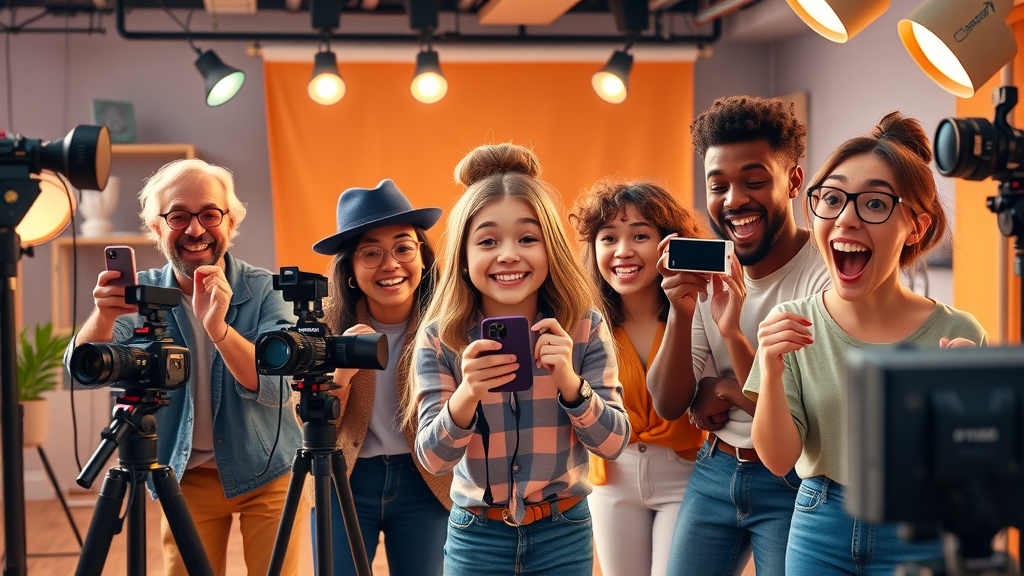
Omnichannel marketing strategy: Seamlessly Integrating Online and Offline digital marketing

Omnichannel marketing isn’t new, but its importance in digital marketing trends 2024 cannot be understated. Consumers expect frictionless experiences as they switch across websites, social platforms, physical stores, and apps. Brands that unify data and communication across every channel—online and offline—ensure a seamless, personalized journey.

Marketing teams are deploying platforms that track customer behavior, preferences, and transactions in real time, enabling holistic campaign orchestration. This integrated approach maximizes every touchpoint, reducing drop-offs and creating new value at each stage of the customer journey.

Future Outlook: How digital marketing trends 2024 Set the Stage for 2025 and Beyond

The transformative shifts of 2024 won’t just define the year—they’ll set the trajectory for the rest of the decade. As technology, data privacy, and personalization evolve, organizations must be nimble, leveraging this year’s marketing report insights to anticipate what’s next. Embrace this evolving future with clear strategies, adaptable teams, and investments in intelligence and creativity.

The lines between traditional and digital marketing will continue to blur as media trends and artificial intelligence advance. Armed with the right data, agile workflows, and values-driven purpose, brands can thrive amidst uncertainty and unlock new horizons for customer experience and growth.

digital marketing trends 2024 as a Launchpad—Key Forecasts and Strategic Shifts

  • How technology will redefine marketing trend adoption
  • Projected evolution of media trends
  • Artificial intelligence integration and challenges
  • The next stage in social media marketing evolution
Table: digital marketing trends 2024 Influence on Industry Growth Projections (2024-2025)
Industry Growth Projection (%) Key Influencing Trend
Retail 17 Social Commerce, AI Personalization
Financial Services 9 Data Privacy, Omnichannel Strategy
Healthcare 12 Voice AI, Data Security
Media & Entertainment 15 Short-form Video, UGC Collaboration
Consumer Goods 10 Sustainability, Influencer Marketing

Where is digital marketing going in 2024?

In 2024, digital marketing is moving towards even greater personalization, real-time adaptation, and hybrid experiences that merge physical and digital worlds. Expect further adoption of AI tools, dynamic data-driven campaigns, and tighter integration with social media and commerce. New immersive formats and platform-agnostic strategies will allow brands to tell richer stories, while privacy and transparency shape every customer interaction.

Marketers that can anticipate shifts, rapidly pivot campaigns, and embrace innovation will be the ones to gain market share. The future of digital marketing lies in constant learning, experimenting, and reimagining how to deliver value to both customers and organizations.

What is the demand for digital marketers in 2024?

The demand for digital marketers is reaching new heights in 2024, spurred by elevated digital ad spending and an intensified focus on automation, social media, and data-driven strategy. Organizations across industries are seeking professionals who can harness cutting-edge technologies—such as AI tools—and translate insights into real-world marketing results.

As top marketing trends become more complex and specialized, competition for skilled digital marketers continues to grow. Marketers who are adaptable, data-literate, and strategy-oriented will enjoy ample opportunities, higher compensation, and the ability to drive innovation within their organizations.

What is the scope of digital marketing in 2024?

The scope of digital marketing in 2024 is broader and more influential than ever before. From traditional SEO and PPC to emerging fields like voice search, social commerce, and augmented reality, brands are leveraging a diverse range of marketing strategies to reach global audiences. Digital marketing is the primary engine for lead generation, brand exposure, and revenue growth across nearly every industry.

For businesses willing to invest in the latest trends and technologies, the potential reach and impact of effective digital marketing are virtually limitless. The challenge is keeping pace with change—staying current with best practices, compliance standards, and evolving consumer expectations.

What will digital marketing look like in 2025?

By 2025, expect digital marketing to be even more immersive, predictive, and interconnected. Artificial intelligence and automation will enable hyper-personalized campaigns at scale, while brands will employ real-time analytics to fine-tune every interaction. Voice search, AR/VR, and decentralized media platforms will be mainstays.

Digital marketing strategies will be increasingly value-driven—centered on ethics, sustainability, and transparent data practices—to maintain consumer trust. The lines between marketing, sales, and service will continue to blur, making every touchpoint an opportunity to create memorable, engaging experiences.

Frequently Asked Questions about digital marketing trends 2024

  • Which digital marketing trend is most important in 2024? AI automation and short-form video dominate as the most transformative trends, driving both engagement and ROI. However, businesses must balance these with a strong focus on data privacy to truly succeed.
  • How can small businesses adapt to rapid marketing trend changes? Small businesses should prioritize agility, experiment with emerging tools on a manageable scale, and continuously monitor analytics. Collaborate with influencers, focus on authenticity in content marketing, and prioritize privacy-first practices to stand out.
  • What social media marketing tactics work best in 2024? Short-form video, live streaming, and interactive content are winning strategies. Building communities, leveraging micro-influencers, and utilizing shoppable content platforms all support higher conversion rates.
  • Is video content still a top marketing trend? Absolutely. Short-form and live video content continue to outpace other formats, offering high engagement and viral potential. Brands should diversify their content across multiple social media platforms.
  • How does data privacy shape digital marketing strategy now? Data privacy is at the core of every successful campaign. Consumers demand transparency and control, and brands that build trust through permission-based data use gain a significant competitive advantage.
"2024 is not just another year for digital marketing—it’s the foundation for the next era of brand-customer relationships."
  1. digital marketing is being revolutionized by personalization, AI, and privacy concerns.
  2. Adopting new marketing trends quickly is essential for staying ahead.
  3. Continuous learning and adaptation will be critical for success in digital marketing trends 2024 .

Master digital marketing trends 2024: Take Action and Lead the Change

Lead the future by investing in new tools, prioritizing privacy and ethics, and building an organizational culture ready for change. Ride the wave of digital marketing trends 2024 —and not only will you survive, but you’ll set the pace in your industry.


Local Business Marketing

8 Views

0 Comments

Write A Comment

*
*
Related Posts All Posts
02.21.2026

Unlock the Power of Optimizing Content for ChatGPT Search Citations

Did you know nearly 55% of all AI-driven search responses now include citations directly from top-optimized sites—and those sites see an average traffic surge of over 30%? The landscape of search engine optimization (SEO) is rapidly shifting, with generative AI models like ChatGPT leading the change in how information is discovered and cited. Today, getting your content cited in ChatGPT search answers is emerging as the new gold standard for digital visibility and authority. Let’s unlock how optimizing content for ChatGPT search citations can catapult your reach, credibility, and influence in the rising era of AI-powered discovery. The digital search ecosystem is being redefined by the power of AI models like ChatGPT and Google AI. As generative engines deliver direct answers, content optimization isn’t just for traditional SEO anymore. Modern content strategists must now craft pages for AI overviews, citation patterns, and ever-evolving response engines. The future hinges on how well your content aligns with new AI systems and how frequently it’s surfaced as a trusted citation in ChatGPT responses. Understanding this dynamic means embracing a fresh set of strategies for sustainable search and brand visibility. As you refine your approach to citation optimization, it’s also valuable to consider how your overall branding and positioning can influence your authority in AI-driven search. For actionable insights on aligning your brand with evolving digital trends, explore this guide on branding and positioning strategies for digital marketing. An Eye-Opening Look: The Rise of Optimizing Content for ChatGPT Search Citations The transition from blue links to direct AI answers has been nothing short of revolutionary. According to recent industry analyses, brands appearing in ChatGPT search citations enjoy as much as 40% more high-intent user traffic compared to those focused solely on traditional SEO. This eye-opening trend is driven not only by the popularity of answer engines but by the critical role that citation patterns play in determining which sources AI models reference and trust most. By intentionally optimizing content for ChatGPT search citations, you position your site as the go-to authority, commanding greater AI visibility and higher search engine rankings. Whether you target Google AI overviews or aim to become a regular source for generative engine responses, adopting optimization tactics is no longer optional if maximizing digital exposure is your goal. Optimizing content for ChatGPT search citations isn’t just the latest trend; it’s redefining the playbook for SEO and digital marketing as we know it. Generative engine optimization—tailoring web content for AI mode, AI overview, and direct answer functionalities in ChatGPT—has become indispensable. As Google AI and ChatGPT rapidly shape user pathways, content creators must emphasize FAQ schema, clear citation patterns, and strong authority signals to sustain and elevate their presence in AI-driven discovery. The surge in AI-powering search necessitates a shift from broad visibility strategies to highly-targeted citation optimization. The time to adapt is now, as businesses that quickly align their content with these demands are seeing real results in user engagement, se ranking, and brand visibility. What You'll Learn in This Guide to Optimizing Content for ChatGPT Search Citations Key strategies to optimize content for ChatGPT search citations The importance of citation patterns and generative engine optimization How Google AI, ChatGPT, and AI overviews impact citation visibility Best practices for boosting brand and content visibility in AI-focused environments Understanding the Landscape: Why Optimizing Content for ChatGPT Search Citations Matters At the heart of today’s SEO and AI landscape, optimizing content for ChatGPT search citations determines who gets seen and trusted in the crowded world of digital answers. When ChatGPT and similar AI models scan the web, they favor sources with robust citation patterns, clearly structured FAQ schema, and authoritativeness that aligns with Google AI standards. This means that optimizing for ChatGPT citations is no longer an advanced tactic but a foundational requirement for digital success. Brands that invest in generative engine optimization can dramatically boost their AI visibility, positioning themselves where it matters most—in front of both machines and users actively searching for credible insights. The interplay between google ai, ai overview, and other generative engines now directly shapes how content is discovered, ranked, and cited. As engines like ChatGPT and Google AI overviews sift through massive information networks, their citation patterns increasingly reflect which sources exhibit accuracy, depth, and clarity. Leveraging proper answer engine optimization, strong TRUST SCORE signals, and AI system compatibility now drives more than just traffic—it enhances perceived authority and long-term discoverability. SEO professionals and digital marketers must adapt, ensuring their content speaks to both human curiosity and the data-driven preferences of AI models. “Content optimized for ChatGPT search citations can exponentially increase both reach and credibility.” Exploring the Role of ChatGPT Citation and ChatGPT Citations in Modern Engine Optimization So what exactly are ChatGPT citation and ChatGPT citations? In the context of generative engine optimization, they refer to the way ChatGPT and similar AI models attribute and reference sources when delivering answers. Every time your page is cited, your authority, se ranking, and ai visibility grow—especially if your content consistently follows optimized citation patterns. These citations act as the new “blue links,” delivering direct pathways for users to access your information without extra search steps or ambiguity. In practice, optimizing content for chatgpt search citations requires a holistic approach: authoritative content, integrated FAQ schema, and data structures that facilitate clear, machine-readable referencing. Effective chatgpt citation practices are tightly linked to overall citation pattern consistency across your site. By cultivating a robust link profile and ensuring frequent, accurate referencing—especially to well-structured lists, tables, and authoritative sections—you signal trustworthiness to both traditional search and AI engines. Smart use of answer engine tactics like FAQ schema and schema markup improves both the likelihood and quality of citations, further boosting se ranking and brand visibility. In today’s digital landscape, actively optimizing for chatgpt citations is one of the fastest ways to achieve prominence in answer engines and AI-powered search ecosystems. How Google AI and AI Overviews Affect Optimizing Content for ChatGPT Search Citations Google AI and AI overviews have cemented their place in the evolution of citation optimization. These systems integrate advanced algorithms to identify the most reliable, well-structured content sources for inclusion in their AI-driven overviews and summaries. For content creators aiming to maximize citation opportunities, understanding Google AI integration is vital. Structured data, consistent citation patterns, and updated FAQ schema all increase the odds of your content being surfaced as a reference in ChatGPT and Google AI overviews. Implementing these strategies doesn’t just benefit AI-driven citation—it enhances your overall technical performance and se ranking in traditional search as well. Consider two digital articles: one meticulously optimized with proper schema markup, updated FAQ, and consistent referencing, and another lacking these essential elements. The former will not only appear more often in ChatGPT citations but will also be favored in AI overviews, leading to significantly more traffic and stronger, sustained brand recognition. As AI models prioritize direct answers, quality content that aligns with Google AI overviews gets amplified. Ultimately, the difference between optimized and non-optimized content isn’t just about visibility—it’s about staking a lasting claim at the forefront of AI-driven discovery. Deep Dive: Citation Patterns and the Power of Generative Engine Optimization How citation patterns affect ChatGPT visibility and SE ranking: Well-established citation patterns tell AI engines that your content is repeatable, trustworthy, and worth referencing. When your articles are cited across multiple queries, your chatgpt visibility and se ranking naturally rise—especially when paired with consistent FAQ schema and structured data. The relationship between generative engine optimization and AI answer accuracy: Generative engine optimization focuses on making sure that AI models not only find your content but also index it accurately for direct answers. When your tables, key facts, and Q&A sections are machine-friendly, AI answer systems are more likely to cite you as a primary source—improving both user trust and AI answer quality. Tips for structuring content to support strong citation patterns: Use consistent markup, integrate FAQ schema, and present complex information as clear lists or tables. Where possible, reinforce expertise with branded references and authoritative external links to enhance both AI and user trust. Step-by-Step: How to Optimize Content for ChatGPT Search Citations Conducting Content Audits with a Focus on Citation Patterns Start your optimization journey by auditing your current content for citation readiness. Use advanced engine optimization and se ranking tools to identify which pages already attract ChatGPT citations and where gaps exist. Examine citation patterns—the frequency and quality of references, FAQ schema presence, and structured data implementation. Make targeted improvements to content elements that influence AI visibility, such as adding updated Q&A, strengthening internal and external references, and aligning your site with evolving AI models. By continuously monitoring your link profiles and technical performance, you maintain an agile, future-focused content strategy that keeps pace with both traditional and AI-powered search landscapes. Aligning Content with ChatGPT Citations and FAQ Schema Best Practices To maximize your chances of being cited in ChatGPT responses, prioritize alignment with current FAQ schema best practices. Structured FAQ blocks not only facilitate direct answers but also help ChatGPT and Google AI overviews understand and reference your content accurately. Incorporate machine-readable schemas, leverage clear headings, and ensure all facts are easily extractable by AI systems. Furthermore, maintain uniform citation patterns across your web assets—avoid duplicate or contradictory information, and consistently link out to authoritative, trustworthy sources. This strengthens your brand visibility and signals to answer engines that your site is a reliable hub for high-quality, AI-friendly answers. Writing with Google AI and AI Overview in Mind When crafting new web pages or updating articles, tailor your writing for both Google AI and emerging AI overview systems. Use natural language, succinct explanations, and bullet points or lists where appropriate. AI models are more likely to cite content that is clearly organized, up-to-date, and easy to parse. Additionally, stay current on Google AI overviews and answer engine requirements, such as updated structured data formats and entity recognition standards. Strategically targeting these features ensures your content is both easily processable by AI models and favored in citation-driven answer environments. Ultimately, writing with the dual lens of user clarity and AI comprehension is the hallmark of modern citation optimization. Implementing Structured Data: FAQ Schema, Tables, and Enhanced Organization One of the most potent tools for generative engine optimization is the strategic use of structured data, especially FAQ schema and tables. Incorporate clear, up-to-date FAQ sections that directly mirror user intent and common ChatGPT queries. Enhance your articles with tables and lists that summarize key data points, making them ideal for direct citation by AI systems. The more precisely your content is structured, the greater your AI visibility and likelihood of being referenced in answer engines. Consider the following elements as especially likely to win ChatGPT citations: FAQ schema-marked Q&A blocks Structured, interactive tables with key data Well-organized bullet or numbered lists Rich media (images and infographics) with descriptive alt text Tables: Optimizing Content for ChatGPT Search Citations Factor Impact on ChatGPT Citation Best Practice FAQ Schema High Use clear markup Citation Patterns Critical Consistent referencing Google AI Integration Medium Follow structured data guidelines List & Table Use Medium-High Present key facts visually Key Elements of Content that Boost ChatGPT Visibility and Optimize Content Consistent citation patterns Strategic use of AI mode/AI answer targeting Proper FAQ schema integration Comprehensive, up-to-date information Best Practices List: Optimizing Content for ChatGPT Search Citations Research and track evolving ChatGPT citation and generative engine patterns Utilize answer engine structures and FAQ schema for greater AI answer quality Integrate branded, authoritative references to improve SE ranking Continuously monitor ChatGPT visibility and adjust strategies accordingly Expert Insights: The Future of ChatGPT Citations, Google AI, and AI Overviews “Generative engine optimization will be pivotal for brands aiming to lead in AI-driven search.” According to digital thought leaders, the priorities around optimizing content for ChatGPT search citations will only intensify as AI models advance. The ongoing rise of AI overview and Google AI overviews means content must be both algorithmically friendly and highly authoritative. Brands that quickly adapt to the nuanced requirements of generative engine optimization—integrating enhanced FAQ schema, embracing data-driven citation patterns, and proactively measuring AI visibility—will dominate new search paradigms. In the future, what sets market leaders apart won’t just be their blue links, but their consistent, prominent inclusion in real-time, AI-driven search responses. An embedded video explores the before-and-after results of a website strategically improved for ChatGPT citation and generative engine optimization. See how key enhancements in citation patterns, FAQ schema, and structured data drove measurable gains in traffic, engagement, and AI visibility. Watch a leading SEO panel discuss best practices for citation patterns, se ranking, AI answer quality, and brand visibility in AI-first search environments. Overcoming Challenges: Common Pitfalls in Optimizing Content for ChatGPT Search Citations Incomplete FAQ schema or missing structured data Inconsistent or weak citation patterns Lack of focus on generative engine requirements To overcome these challenges, always verify FAQ schema implementation, maintain up-to-date citation and data structures, and ensure ongoing alignment with ChatGPT citation standards. Routinely audit your content for missing elements and continually educate your team on evolving AI visibility requirements. Addressing these issues early maximizes your chances for ChatGPT citation and AI-driven traffic growth. Measuring Success: Tracking and Evaluating Optimizing Content for ChatGPT Search Citations Key metrics: AI visibility, ChatGPT visibility, answer engine, SE ranking Recommended tools for tracking and evaluation Benchmarks for citation patterns and AI overview inclusion Case examples or short success story People Also Ask: Optimizing Content for ChatGPT Search Citations What is the most effective way to optimize content for ChatGPT search citations? The best approach is to align your pages with ChatGPT citation requirements by implementing strong citation patterns, building out thorough FAQ schema, and using structured data that meets Google AI guidelines. A focus on clear organization, up-to-date information, and authoritative references significantly increases your chances of being cited by AI engines. How do AI overviews influence ChatGPT citation patterns? AI overviews play a major role in determining which sources ChatGPT cites. They prioritize content that is structured, authoritative, and marked up with comprehensive FAQ schema. By ensuring your content is easily digestible by AI systems, you improve both citation frequency and the perceived quality of your answers. How often should I update content to maintain ChatGPT visibility? To maintain optimal ChatGPT visibility, refresh your content at least quarterly. Regularly updating FAQ schema, refining structured data, and reflecting new industry trends ensure your articles stay relevant to AI models and retain high citation rates. FAQs About Optimizing Content for ChatGPT Search Citations How can I ensure my content is visible for ChatGPT and AI overviews? Focus on consistent citation patterns, implement detailed FAQ schema, and structure data according to Google AI standards. Monitor visibility with AI-specific tracking tools. What are the top mistakes to avoid when aiming for generative engine optimization? Failing to use structured data, ignoring evolving AI requirements, and neglecting citation consistency are common pitfalls. Prioritize ongoing audits and adaptation to new best practices. Do citation patterns differ by industry or content type? Yes, technical industries may require more granular FAQ schema and precise references, while consumer-focused content might emphasize clarity and breadth. Always research your niche for optimal results. Key Takeaways for Optimizing Content for ChatGPT Search Citations Optimizing content for ChatGPT search citations is essential for AI-driven discoverability Strong citation patterns and FAQ schema bolster AI visibility Continuous adaptation to generative engine optimization trends is vital If you’re ready to take your digital strategy even further, consider how a holistic approach to branding and positioning can amplify the impact of your AI-driven content efforts. By integrating advanced optimization techniques with a strong brand foundation, you’ll not only improve your chances of being cited by ChatGPT but also build lasting authority in your market. Discover how to elevate your brand’s presence and adapt to the evolving digital landscape by reading about branding and positioning for digital marketing success. This next step can unlock new levels of visibility, trust, and growth for your business in the age of AI-powered search. Ready to Maximize Your Visibility? Let us build your success blueprint call 908 520-0095, now!

02.21.2026

How to Rank in Google SGE vs ChatGPT Search: Key Tips

Did you know? By 2025, over 50% of online queries will be powered by AI-driven search engines like Google SGE and ChatGPT Search. As AI transforms the digital landscape, learning how to rank in Google SGE vs ChatGPT Search is now a mission-critical skill for marketers and website owners who want to remain visible and relevant."By 2025, over 50% of online queries will be powered by AI-driven search engines like Google SGE and ChatGPT Search." Unveiling the Future: Why Learning How to Rank in Google SGE vs ChatGPT Search Matters NowThe world of AI search is revolutionizing how content is discovered online. With giants like Google SGE (Search Generative Experience) and ChatGPT Search integrating large language models to answer complex user queries, the traditional rules of search engine optimization (SEO) are shifting. These AI-powered platforms not only aggregate information but also synthesize it into concise, actionable answers, changing the way we think about visibility and authority in search results.Today, businesses and content creators who adapt their strategies to this evolving landscape will seize significant advantages in traffic, engagement, and trust. Ignoring the impact of AI search results means risking lower visibility—even for high-quality, established websites. Understanding how to rank in Google SGE vs ChatGPT Search arms you with the tactics to win in a future where AI answers are prioritized over conventional ranked lists. In this article, you’ll discover trends, tools, and proven techniques for dominating these next-gen search engines.What You'll Learn About How to Rank in Google SGE vs ChatGPT SearchKey differences between Google SGE and ChatGPT search resultsCurrent AI search trends affecting engine optimizationEffective SEO strategies for both search enginesHow structured data and faq sections impact your visibilityProven techniques for outperforming competitors in ai search resultsGoogle SGE and ChatGPT Search: An Introduction to AI Search ResultsUnderstanding Google SGE and Its Influence on Search Engine OptimizationGoogle SGE (Search Generative Experience) represents a massive leap in search engine evolution. Utilizing advanced large language models, it goes beyond returning simple links or snippets—instead, it generates nuanced, contextual answers that reflect a deep AI overview of the topic. This generative approach allows Google SGE to synthesize information from multiple authoritative sources, delivering a definitive answer to user queries in real time. Because SGE emphasizes semantic understanding, websites must focus on relevance, freshness, and the authority signals of their content. Engine optimization for SGE means structuring content so AI models can easily interpret and surface it in their generated answers.The ongoing integration of AI platforms within Google SGE has compelled SEOs to refine their strategies. Techniques such as optimizing for structured data, aligning with user intent, and maintaining up-to-date content for ai are now core ranking factors. Understanding what makes Google SGE select certain pages for its ai search results is the first step toward increased visibility in this new digital frontier.As you refine your approach to AI-driven search, it's also valuable to consider how your brand's positioning and messaging can influence your visibility in these evolving environments. For actionable insights on aligning your digital presence with modern search expectations, explore the strategies outlined in this guide to branding and positioning for digital marketing. Exploring ChatGPT Search: AI Overview for the Modern WebChatGPT Search harnesses the power of OpenAI's language models to directly answer queries with synthesized information, rather than traditional ranked web results. This answer engine focuses on generating clear, conversational responses, making it a preferred choice for users seeking immediate, thorough, and context-aware answers. The AI draws from a vast knowledge base, referencing content, FAQ sections, and structured data to provide solutions that feel natural and human-like.Unlike the more link-oriented approach of classic search engines, ChatGPT Search rewards well-structured, clearly written, and context-rich content for ai. Content creators must therefore emphasize clarity, logical flow, and direct answers to questions. Optimizing for ChatGPT Search means ensuring your website’s information is easily extractable by ai models—often through schema markup, concise FAQ sections, and thorough coverage of topics from multiple user angles.How AI Search Impacts Search Results and Engine OptimizationBoth Google SGE and ChatGPT Search exemplify how ai search results are transforming engine optimization strategies. AI-driven engines prioritize relevance, depth, factual accuracy, and authority signals rather than just keywords or backlink counts. AI loves pages that provide clear answers (think FAQ sections and numbered lists) and content that anticipates related follow-up queries. Structured data, FAQ markup, and timely updates serve as direct signals to AI platforms, making them more likely to source and display your content as the definitive answer engine in their results.The shift from traditional rankings to AI-generated overviews creates an ever-evolving search generative experience. Successful ranking now relies on mastering both technical SEO (like schema and site audits) and editorial excellence (content for ai that deeply matches user intent). Understanding these nuances is essential to achieving prominence in the dual world of SGE and ChatGPT Search.Comparison Table: Google SGE vs ChatGPT Search – Features, Coverage, and Search ResultsFeatureGoogle SGEChatGPT SearchSearch Engine ModelHybrid: Classic index + Generative AI overviewConversational AI, large language models, direct answersPrimary OutputWeb links, context-rich AI answers, knowledge panelsConversational responses, summarized facts, FAQ-style contentRanking FocusUser intent, structured data, freshness, E-E-A-TClear answers, logical flow, FAQ sections, schema markupOptimization EssentialsTechnical SEO, regular audits, structured content, authority signalsFAQ-rich pages, conversational formatting, up-to-date dataCoverageBroad reach; billions of indexed sitesWide knowledge base, real-time conversational summariesKey AI Search Trends Shaping How to Rank in Google SGE vs ChatGPT SearchThe Rise of AI Overview in Search EnginesAI overviews are now at the heart of search engine innovation. Instead of relying on static rankings, ai search platforms like Google SGE use generative models to analyze vast corpora and present synthesized, context-driven results. These dynamic answers combine the best elements of classic search (links, authority) with the conversational, direct answer approach pioneered by large language models. For SEOs, this means optimizing not just for keywords, but for topically rich, fact-checked, and intent-oriented content that AI thrives on.Organizations excelling in this landscape do so by integrating structured data, robust FAQ sections, and comprehensive coverage that aligns with natural user questions. With AI continually learning from patterns in user queries and engagement signals, maintaining a proactive approach—updating, auditing, and expanding your content for ai—is essential for sustained visibility. Voice Search and Conversational Queries in Google SGE & ChatGPTVoice-activated devices and conversational queries are fast becoming the norm in user search behavior, directly impacting how to rank in Google SGE vs ChatGPT Search. Both engines interpret complex, speech-like queries, pulling from entities, relationships, and context rather than mere keyword matches. Voice search influences ranking by rewarding pages that deliver natural language answers, use concise headers, and present information in a Q&A or list format readily interpretable by ai models.Optimizing for voice means auditing your structured data and FAQ sections to ensure search engines can source quick, direct answers. As AI platforms become the primary answer engine for millions, conversational content that mirrors spoken questions or provides succinct solutions will offer a significant edge in both Google SGE and ChatGPT Search results.Traditional SEO vs AI Search Results: Strategies for How to Rank in Google SGE vs ChatGPT SearchOptimizing for Google SGE: Engine Optimization EssentialsGoogle SGE marks a transition from traditional SEO to a hybrid model emphasizing both technical and semantic signals. For optimal engine optimization, start with a detailed technical audit—verify site speed, mobile responsiveness, and minimal crawl errors. Implement robust structured data (such as schema. org markup) to enhance context and enable your content to be surfaced as featured snippets or AI-generated answers. Regularly update your site to keep information current and trustworthy for both users and AI platforms.Additionally, focus on building E-E-A-T (expertise, experience, authority, trust). Google SGE selects results not just for keyword placement, but for comprehensive, well-cited answers that reflect subject-matter expertise. Including FAQ sections, cited sources, and visual elements (tables, infographics) makes it easier for Google’s ai overview to understand and prefer your content. Conduct monthly SEO audits to identify and resolve structural issues before they affect your visibility in ai search results. Optimizing for ChatGPT Search: Structured Data & Conversational ContentRanking in ChatGPT Search begins with maximizing your site’s clarity and logical structure. Utilize schema. org markup extensively, especially for FAQ sections, lists, and product or service details. Structure your content to anticipate the kinds of questions users might ask and deliver precise, conversational answers. AI models prefer content that explains concepts step by step and includes direct answer sections formatted in natural language.Furthermore, optimize for context and topical completeness. Cover subtopics holistically and reference related entities—this allows ChatGPT to build a robust understanding and synthesize comprehensive responses. Finally, regularly audit your site for content freshness, factual accuracy, and clear navigation, ensuring that ai search results always reflect your most up-to-date answers and resources."Structured data has never been more crucial for AI search results—it’s a direct ranking signal in Google SGE."Foundational Ranking Factors for AI Search Results (Google SGE and ChatGPT)Relevant and up-to-date content for ai searchTechnical SEO & monthly engine optimization auditsAuthority, trust signals and E-E-A-TEffective use of structured data and FAQ sectionsChecklist: How to Rank in Google SGE vs ChatGPT Search – Best Practices OverviewBest PracticeGoogle SGEChatGPT SearchUpdate Content Regularly✅✅Use Structured Data/Schema Markup✅✅Develop In-Depth FAQ Sections✅✅Optimize for Voice Search✅✅Demonstrate E-E-A-T✅OptionalAudit Technical SEO Monthly✅✅Add Conversational, Step-by-Step ContentOptional✅Content Optimization for How to Rank in Google SGE vs ChatGPT Search: Practical StepsCrafting Content for AI Search Results and Search EnginesThe core principle for content creation in ai search is to write for both human readers and AI models simultaneously. Begin each page with a strong, clear summary that directly addresses the main query, using natural language and relevant keywords. Expand with thorough explanations, using bullet points and numbered lists to break down complex processes. This approach matches the way Google SGE and ChatGPT Search parse and repurpose web content into their own answers.Support content for ai with concise sections, internal links, and multimedia elements (tables, images). Ensuring your material answers the question “what does the user want to know?” results in increased visibility across both SGE and conversational AI search platforms. This content style also boosts engagement, retention, and the likelihood of being used as a source in ai search results.Utilizing FAQ Sections and Structured Data for Enhanced VisibilityIntegrating faq sections and structured data into your pages directly influences how to rank in Google SGE vs ChatGPT Search. These elements provide clear, machine-readable signals that help ai models identify your site as a valuable source for direct answers. Use schema. org’s FAQ markup to format questions and answers, making it easy for search engines to lift and display your content visually in answer panels and snippets.Incorporate anticipated user queries throughout your content and ensure answers are succinct, reliable, and well-cited. Regularly monitor which questions are driving traffic and update your FAQ sections accordingly, aligning with both trending search intent and changes in ai search results algorithms. Common Obstacles When Competing in AI Search: Navigating Google SGE and ChatGPT Search ResultsOvercoming Challenges in Engine Optimization: Insights and SolutionsRanking in AI-powered search isn’t without hurdles. One key challenge is the rapidly shifting criteria of search engines—what works for Google SGE today may be less effective tomorrow as algorithms are updated to interpret new ranking signals. Many sites struggle to keep their content for ai relevant and technically sound, neglecting crucial elements like up-to-date structured data, comprehensive FAQ sections, and regular SEO audits. Additionally, some content creators find it difficult to naturally integrate voice search optimization and conversational content without sacrificing clarity or authority.The solution is a holistic approach to engine optimization: schedule monthly audits for site health, refresh content often, stay informed on ai search trends, and build trust by demonstrating your expertise. Adapt your approach as needed to maintain alignment with both classic best practices and emerging AI signals. The most successful websites in this new landscape are those that view SEO as a constant, ongoing process, not a one-time effort."SEO is not dead, it’s evolving—and those who adapt to AI search will dominate the future search results." Engaging, concise explainer video showing a split-screen comparison of ranking in Google SGE versus ChatGPT Search, featuring dynamic infographics, interactive checklists, and key ranking signals in motion, styled with clean animations, tech-modern visuals, and a professional narrator’s voiceover to guide the viewer.Watch industry leaders as they analyze the similarities and differences between Google SGE and ChatGPT Search. The panel highlights real-world results, actionable strategies, and the future of AI-driven engine optimization.People Also Ask: How to Rank in Google SGE?Answer: Learn the step-by-step process for ranking content effectively in Google SGE, focusing on AI-driven ranking criteria, content relevance, structured data, and user intent alignment.To rank in Google SGE, begin by optimizing your pages with structured data and well-formatted FAQ sections that AI can interpret easily. Update content regularly to align with user intent and E-E-A-T best practices. Perform monthly audits to ensure your technical SEO meets Google's latest standards. Most importantly, tailor your answers to anticipated user queries, and make your content for ai clear, relevant, and authoritative. This comprehensive approach increases your chance of being selected for both traditional links and AI-generated overviews.People Also Ask: How to Rank in Google AI Search?Answer: Discover which AI search signals matter most, including fresh content, entity relationships, and precise FAQ sections to enhance your Google AI search visibility.To excel in Google AI search, focus on creating frequently updated content for ai that answers user questions directly. Use schema. org markup, highlight entity relationships, and structure your pages to address the full spectrum of related topics. AI models favor clarity, semantic richness, and context—ensure your FAQ sections are updated and logically organized. Consistently monitor emerging search patterns and adapt your strategy to maintain high performance as Google’s AI continues to learn and evolve.People Also Ask: How to Rank Higher in Google Search Results?Answer: Integrate traditional engine optimization best practices with new AI search tactics, such as leveraging E-E-A-T and optimized meta data.To rank higher in Google search results, combine technical SEO (site speed, mobile optimization, schema markup) with comprehensive, trustworthy content for ai. Regularly refresh meta data, demonstrate subject-matter expertise, and focus on building both classic backlinks and structured, conversational answers. This hybrid strategy positions your site for maximum visibility in both the standard web index and the AI-generated answer space.People Also Ask: What are the 3 C's of SEO?Answer: The 3 C's of SEO are Content, Code, and Credibility—apply these to both standard and AI-powered search engines for higher rankings.The classic 3 C's of SEO—Content (quality, relevance, and freshness), Code (technical optimization, structured data), and Credibility (E-E-A-T, authority signals)—remain at the heart of success in both traditional and modern AI search engines. Aligning your strategies with these pillars ensures ongoing visibility and ranking power as search platforms continue to evolve.FAQs: How to Rank in Google SGE vs ChatGPT SearchWhat is the role of AI in modern search engines?AI analyzes, synthesizes, and ranks information with much greater nuance than classic algorithms. It allows search engines to provide more personalized, context-aware, and direct answers to complex queries by leveraging large language models and real-time content analysis.Is optimizing for Google SGE different from ChatGPT Search?Yes, Google SGE prioritizes traditional SEO combined with structured data, while ChatGPT Search rewards clear, conversational content and rich FAQ sections. Tailoring your content and markup for each is essential for best results.How can structured data improve search engine optimization?Structured data helps AI models quickly interpret your content, making it eligible for featured snippets, answer engine panels, and AI-generated responses. It signals context, intent, and authority for both SGE and ChatGPT.Does voice search affect how you rank in ai search results?Absolutely. Voice search is driven by natural, conversational queries. Content optimized for question-based, direct answer formats will perform better across both AI search and traditional engines.How often should content be audited for ai search optimization?At least monthly. Regular audits ensure technical health, factual accuracy, freshness, and the alignment of FAQ sections with user search intent—all of which impact AI-driven ranking signals.Key Takeaways for How to Rank in Google SGE vs ChatGPT SearchAI search is reshaping engine optimization and search engine ranking factorsStructured data and faq sections are critical for enhanced visibilityCombining traditional and AI-based strategies delivers sustainable resultsStaying updated on emerging ai search trends is vitalSummary and Next Steps: How to Rank in Google SGE vs ChatGPT SearchLet us build your success blueprint call 908 520-0095, now!With the rapid rise of AI-driven search engines, succeeding in how to rank in Google SGE vs ChatGPT Search is about evolving your approach, adopting structured data, optimizing for conversational answers, and constantly adapting to change. For hands-on guidance, let our specialists help craft your blueprint for AI search success—call 908 520-0095 today!As you continue to refine your SEO strategies for the AI-powered future, remember that your brand’s digital identity and positioning play a pivotal role in how both users and search engines perceive your authority. If you’re ready to take your optimization efforts to the next level, consider diving deeper into advanced branding and positioning techniques. Discover how a strong, differentiated brand presence can amplify your results across all digital channels by visiting our comprehensive resource on branding and positioning for digital marketing. This next step will empower you to build lasting trust, stand out in competitive markets, and maximize your visibility in both traditional and AI-driven search landscapes.To enhance your understanding of ranking in AI-driven search engines, consider exploring the following resources: “How to Rank in SGE: 9 Strategies Behind Our Team’s Success”: This article provides practical strategies for optimizing content to appear in Google’s Search Generative Experience (SGE), including leveraging structured data and enhancing E-E-A-T signals. (webfx. com) “How to Rank in ChatGPT Responses: 11 Strategies That Work”: This guide offers insights into optimizing content for ChatGPT, emphasizing the importance of authoritative, well-distributed content and real-time browsing capabilities. (digixlmedia. com) These resources provide actionable strategies to improve your visibility in AI-powered search results.

02.21.2026

Unlock the Magic of generative engine optimization Today

Did you know that over 70% of digital marketers are convinced generative engine optimization (GEO) will overtake traditional SEO within the next three years? This startling shift is quickly changing how businesses approach digital visibility. If you want to outpace competitors, now’s the time to embrace generative engine optimization—where AI-driven search engines and advanced language models decide who gets seen and who gets forgotten.A Surprising Glimpse into Generative Engine Optimization: The Key Statistic Revealed“Over 70% of digital marketers believe generative engine optimization will replace conventional SEO strategies within the next three years.” With generative engine optimization gaining rapid momentum, industry insiders are witnessing a paradigm shift. The emergence of generative engines—powered by sophisticated AI—has transformed what it means to win on search engines. More and more, visibility depends not just on old-school keyword targeting, but on how content is interpreted, synthesized, and recommended by AI search engines. For businesses eager to stay relevant, understanding GEO is now essential for securing a prime spot in digital search results.What You’ll Learn About Generative Engine OptimizationHow generative engine optimization is changing how search engines operateThe differences between GEO and traditional SEOEssential GEO ranking factors you can leverageThe power of brand mentions, AI search, and AI overviews for competitive advantageExpert perspectives on the future of engine optimization—and what’s beyondDefining Generative Engine Optimization: Moving Beyond Traditional SEOWhat Is Generative Engine Optimization—and Why Does It Matter? Generative engine optimization is an entirely new approach to getting found online. Unlike traditional SEO, which focuses on keyword placement and backlinks, GEO revolves around how AI engines and large language models interpret web content. Today’s search engines—like Google’s AI-powered experiences or Bing’s AI chat—are shifting toward generating comprehensive, human-like responses rather than simply matching queries to keyword-stuffed results.This means your content needs to be readable and understandable by advanced AI, capable of being pulled into an AI overview or featured as a top recommendation in generative search. GEO prioritizes context, intent signals, and, importantly, brand mentions, making it essential for maintaining AI visibility in an increasingly competitive space. If your goal is to remain on the cutting edge of digital visibility, GEO is the key to unlocking new frontiers of reach—and relevance.As you explore the nuances of generative engine optimization, it's important to recognize how foundational elements like branding and positioning can amplify your efforts. For a deeper dive into aligning your brand strategy with modern digital marketing, consider reviewing branding and positioning best practices that support visibility in both traditional and AI-driven search environments.Traditional SEO vs. Generative Engine Optimization: An Evolving LandscapeComparison: Traditional SEO vs. Generative Engine OptimizationAspectTraditional SEOGenerative Engine Optimization (GEO)Strategy FocusKeywords, backlinks, technical site healthAI understanding, content synthesis, user intent signalsRanking FactorsBacklinks, keyword density, meta dataContextual relevance, brand mentions, AI overviews, engagementTargetingSpecific user queries and search intentInformation summarized and synthesized by generative AIAI OverviewNot accounted for—SEO focuses on ten blue linksDirectly optimized for AI answer summaries, featured context, and brand inclusionThe Rise of Generative Engines and AI Search EnginesHow Generative Engines Work: Under the HoodAt the heart of generative engine optimization is the sophisticated way AI engines process and deliver information. Rather than merely ranking links, generative ai search engines apply advanced language models (like those behind ChatGPT and Google Gemini) to actively read content, interpret its context, and create search results that are more conversational and context-rich.For example, when a user enters a query, these engines draw from millions of data points, summarize the web’s best information, and generate a concise, user-tailored response. The focus shifts from “which page has the keyword?” to “which content is most relevant and authoritative in this context?” This transformation places brands that master GEO at an unrivaled advantage, as they can influence how AI overviews—those summary blurbs shown front-and-center in results—present their voice, value, and expertise.AI Search Engine Overviews: The Engine Optimization Frontier One of the primary changes brought by generative engines is the emergence of AI overviews. These are the summaries and answer blocks generated by AI to provide immediate value for users without requiring a click. Success in GEO isn’t just about ranking; it’s about being featured, cited, and summarized as the most authoritative source.AI visibility—the degree to which your brand is referenced in these overviews—can have a tremendous impact on web traffic and share of voice. For marketers and brands, understanding how generative engines work under the hood means optimizing for both human readers and AI engines simultaneously. Effective engine optimization in this space requires aligning your content not only with user intent but also with the algorithms that decide what gets surfaced in AI overviews and search engine summaries.Ranking Factors for Generative Engine Optimization (GEO)Top GEO Ranking Factors: AI Relevance, Language Models, Brand MentionsUse of generative AI and advanced language models: Today’s most successful web content is tailored to the way large language models interpret text, favoring clear, structured, and relevant material.Content context and intent signals: AI engines value context-rich, concise, and comprehensive answers that match user queries with real-world intent.Brand mentions and authority: Frequent, positive brand mentions in reputable sources help boost your position in AI search engine overviews.AI overviews integration: Optimize for being summarized or quoted in AI answers by using formatting like bullet points and concise insights.Personalization: Search engines of the future reward content that adapts to user context, behavioral patterns, and preferences.To win at generative engine optimization, focus on these core ranking factors. By blending AI-friendly content with authoritative brand signals and consistent formatting, you maximize your chances of being picked up by AI search—whether in direct answers, overviews, or recommendations. GEO requires adjusting to the needs of AI models, but it also means building lasting authority and reach.The Role of AI Visibility and Context in Engine Optimization AI visibility isn’t just a buzzword—it's the new SEO. When generative engines synthesize search results, they look for context, relevance, and signs of authority. If your brand is only rarely mentioned or lacks clear relevance for important user queries, your web presence could be completely overlooked by modern search platforms.Building ai visibility means ensuring your content is easily understood and preferred by both humans and machines. Consistent formatting, clear intent, and prominent brand mentions are critical elements for engine optimization. If you’re serious about digital growth, you must create a brand ecosystem where your expertise and trustworthiness are constantly reinforced across your industry—online and off. The future belongs to those who optimize for both users and the generative ai engines surfacing today’s answers.People Also AskWhat is Generative Engine Optimization?Generative engine optimization (GEO) is a strategy tailored for optimizing content and web presence for AI-driven, generative search engines. Unlike traditional SEO, GEO focuses on how generative AI and language models analyze, synthesize, and present web content in highly contextual, human-like overviews within search engines. Will GEO replace SEO?While generative engine optimization is rapidly rising, it is unlikely to fully replace SEO in the near term. Instead, GEO will evolve alongside traditional SEO as generative search and AI overviews become increasingly prominent in search engine results, requiring marketers to adapt to both paradigms.What is the best Generative Engine Optimization tool?There is no single best tool yet, but leading solutions in generative engine optimization include a blend of AI-driven content analyzers, sophisticated keyword research tools adapted for AI search, and platforms that monitor AI visibility, brand mentions, and language model interpretations across generative engines.How does GEO differ from SEO?Generative engine optimization differs from SEO in that it prioritizes content optimization for AI engines and generative AI systems that synthesize information, rather than simply matching keywords. GEO requires an advanced understanding of how language models, AI overviews, and search intent shape visibility in modern search engines.Strategies and Tactics for Winning at Generative Engine OptimizationOptimizing for AI Overviews and Brand Mentions To compete at the highest level of generative engine optimization, you must proactively shape how AI engines perceive and present your brand. Start with strategic brand mentions: secure coverage in top-tier publications, drive mentions via thought leadership, and ensure your content is cited in authoritative sources. Next, format your content to be “overview-friendly. ” Use bullet points, lists, and concise summaries that AI search engines can quickly interpret and feature in their overviews.Bloated, keyword-stuffed articles are relics of the past. The new currency is clear, well-structured insights that demonstrate authority and relevance at a glance—to both bots and users. When your brand dominates AI overviews, you earn trust and top-of-the-funnel awareness with every search.Crafting Content for Language Models and Generative SearchIdentify generative search queries: Use research tools to spot real queries that users ask AI engines.Optimize content for AI context extraction: Structure information with clear headings, keywords, and contextual cues for language models.Boost brand mentions through authoritative partnerships: Collaborate with reputable sites to amplify brand recognition and authority.Format content for language model digestion: Employ bullet points, lists, and tightly written overviews for easy AI search synthesis.Monitor AI engine visibility regularly: Track how often and where your brand appears in AI search engines and overviews.Expert Opinions: The Future of Generative Engine Optimization“GEO isn’t just the next big thing—it’s the necessary evolution of engine optimization for businesses competing in an AI-centric world.” — Dr. Maya Chen, AI Search ExpertPredictions for Generative Search and AI Overview Integration Industry leaders agree that generative engine optimization will become the new battleground for digital visibility over the next few years. As AI search becomes more widely adopted, the lines between traditional SEO and GEO will blur, making it important for marketers to master both practices. Dr. Maya Chen and other experts predict that AI-generated overviews and brand-driven citations will redefine how search engines rank, summarize, and feature website content.Looking forward, expect significant investments in AI understanding, context analysis, brand partnership strategies, and real-time monitoring tools able to gauge how content is being surfaced in generative search results. The organizations that adapt quickly—investing in both content and AI-driven monitoring—will define winners and losers for years to come.Lists, Bullet Points, and Visuals in Generative Engine ContentImproved AI search and AI visibility: Structured lists help language models extract and present key information in overviews.Enhanced user engagement: Well-formatted bullet points enable users to skim and grasp essential details rapidly.Higher likelihood of being featured in AI overviews and generative search summaries: Search engines prefer structured, easily synthesized content. FAQs: Navigating Generative Engine OptimizationHow do search engines use generative AI for rankings?Search engines employ generative AI and large language models to analyze the entire context of webpages, not just keywords. These models assess authority, content clarity, user intent, and brand mentions to deliver synthesized answers and overviews. The most relevant, trustworthy, and clearly-formatted content is more likely to be featured and prioritized in AI-driven results.What are the risks of ignoring engine optimization for generative engines?If you dismiss generative engine optimization, your brand risks disappearing from the most visible search results as AI search engines increasingly drive user journeys. Outdated content strategies that focus solely on traditional SEO may leave your site invisible in AI overviews and generative search results, reducing your market share and digital influence.Is GEO relevant for small and medium-sized businesses?Absolutely! GEO isn’t just for enterprise brands. Small and medium-sized businesses can gain outsized visibility in AI-driven search engines by optimizing for brand mentions, providing clear and useful information, and using structured content that appeals to both users and language models. Early adoption is an opportunity to compete with larger players on a more level field.Which industries benefit most from generative engine optimization?Industries where thought leadership, authority, or frequent user questions matter—such as technology, healthcare, finance, and e-commerce—stand to gain most from GEO. Any business prioritizing online visibility and reputation management should implement generative engine optimization strategies to maintain a leading edge in the AI search era.Key Takeaways from the Generative Engine Optimization RevolutionGenerative engine optimization is crucial for future digital visibilityAI search, language models, and brand mentions are game-changing ranking factorsBusinesses must rethink content strategy to succeed in generative search environmentsChart Your Course: Unlock the Power of Generative Engine OptimizationLet us build your success blueprint call 908 520-0095, now!Conclusion: To thrive in the AI-centric digital world, prioritize generative engine optimization—adapt faster, aim higher, and secure your space in the future of search.If you’re ready to take your digital strategy to the next level, consider how a holistic approach to branding and positioning can further enhance your generative engine optimization results. By integrating advanced GEO tactics with a strong, differentiated brand presence, you’ll not only improve your AI visibility but also build lasting trust with your audience. Explore the intersection of branding, positioning, and digital marketing by visiting our comprehensive guide on branding and positioning for modern marketers. This next step will empower you to create a unified strategy that stands out in both traditional and AI-powered search landscapes.To deepen your understanding of Generative Engine Optimization (GEO) and its impact on digital marketing, consider exploring the following resources: “Generative Engine Optimization”: This Wikipedia article provides a comprehensive overview of GEO, detailing its history, principles, and the shift from traditional SEO to AI-driven search optimization. (en. wikipedia. org) “Generative Engine Optimization (GEO) Explained Like You’re 5”: This YouTube video offers a simplified explanation of GEO, illustrating how it differs from traditional SEO and its significance in the evolving digital landscape. (youtube. com) These resources will equip you with a solid foundation in GEO, enabling you to adapt your digital strategies to the AI-centric search environment effectively.

Terms of Service

Privacy Policy

Core Modal Title

Sorry, no results found

You Might Find These Articles Interesting

T
Please Check Your Email
We Will Be Following Up Shortly
*
*
*